
Specialized Wound Care for Older Adults in Louisville
Elderly wound care in Louisville presents unique challenges, especially for our aging population. At Swell Country, we understand the complexities of treating wounds in older adults and the importance of specialized care.
Our blog post explores common wound types, advanced treatments, and the comprehensive approach needed to ensure optimal healing for seniors. We’ll delve into the latest techniques and strategies used by Optimum Wound Care to address these specific needs.
Common Wound Types in Older Adults
As we age, our bodies become more susceptible to various types of wounds that can significantly impact quality of life. At Optimum Wound Care, we frequently encounter several common wound types in our older adult patients in Louisville.
Pressure Ulcers: A Silent Threat
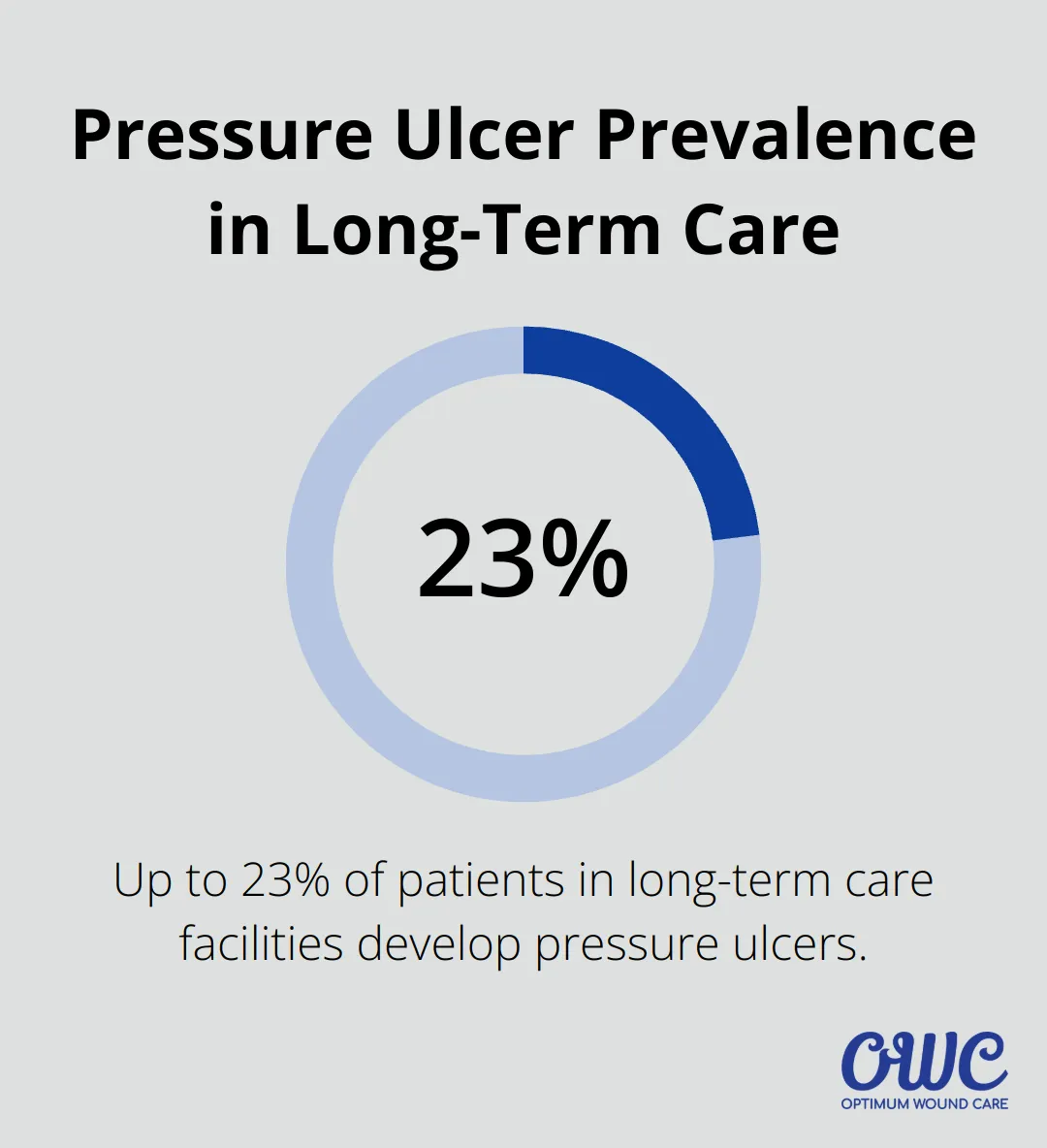
Pressure ulcers (also known as bedsores) are a major concern for seniors with limited mobility. These wounds develop when prolonged pressure on the skin reduces blood flow to the area. Common sites include the tailbone, hips, and heels. The National Pressure Ulcer Advisory Panel reports that up to 23% of patients in long-term care facilities develop pressure ulcers. At OWC, we emphasize the importance of regular repositioning and specialized support surfaces to prevent these painful wounds.
Diabetic Foot Ulcers: A Growing Concern
Diabetic foot ulcers have become increasingly common. These wounds often result from nerve damage and poor circulation associated with diabetes. The American Diabetes Association reports that about 15% of people with diabetes will develop a foot ulcer in their lifetime. Our team at OWC uses advanced techniques (like offloading devices and specialized dressings) to promote healing and prevent complications.
Venous Leg Ulcers: Circulation Challenges
Venous leg ulcers are particularly prevalent in older adults with circulatory issues. These wounds typically appear on the lower leg and can be slow to heal due to poor blood flow. Recent studies have shown promising results in reducing infection, alleviating pain, and promoting wound healing in patients with severe venous leg ulcers using advanced treatments. At our clinic, we combine compression therapy with advanced wound care to address these challenging wounds effectively.
Surgical Wounds: Post-Operative Care
As older adults undergo more surgeries, proper care of surgical wounds becomes crucial. Complications like infection or dehiscence can significantly delay healing. The Centers for Disease Control and Prevention estimates that surgical site infections occur in 2-4% of all patients undergoing inpatient surgical procedures. Our specialized approach at OWC includes careful monitoring and tailored treatments to ensure optimal healing of surgical wounds.
Understanding these common wound types is the first step in providing effective care. In the next section, we’ll explore the advanced wound care treatments available at Optimum Wound Care (including debridement techniques, negative pressure wound therapy, and bioengineered skin substitutes) that we use to address each patient’s unique needs.
Advanced Wound Care Treatments at Optimum Wound Care
At Optimum Wound Care (OWC), we use a range of advanced treatments to address complex wounds in older adults. Our approach combines cutting-edge technology with personalized care to promote faster healing and improve quality of life for our patients in Louisville.
Precision Debridement for Optimal Healing
Debridement is a key step in wound management. It involves the removal of dead or infected tissue to promote healing. At OWC, we use various debridement techniques tailored to each patient’s needs. These include:
- Enzymatic debridement: This method uses specialized ointments to break down dead tissue.
- Sharp debridement: This technique involves the use of sterile instruments for more precise removal.
Precision Debridement eliminates all known local obstacles in the healing process of chronic wounds, restores the biochemical balance in the wound bed, and allows for optimal healing.
The Power of Negative Pressure
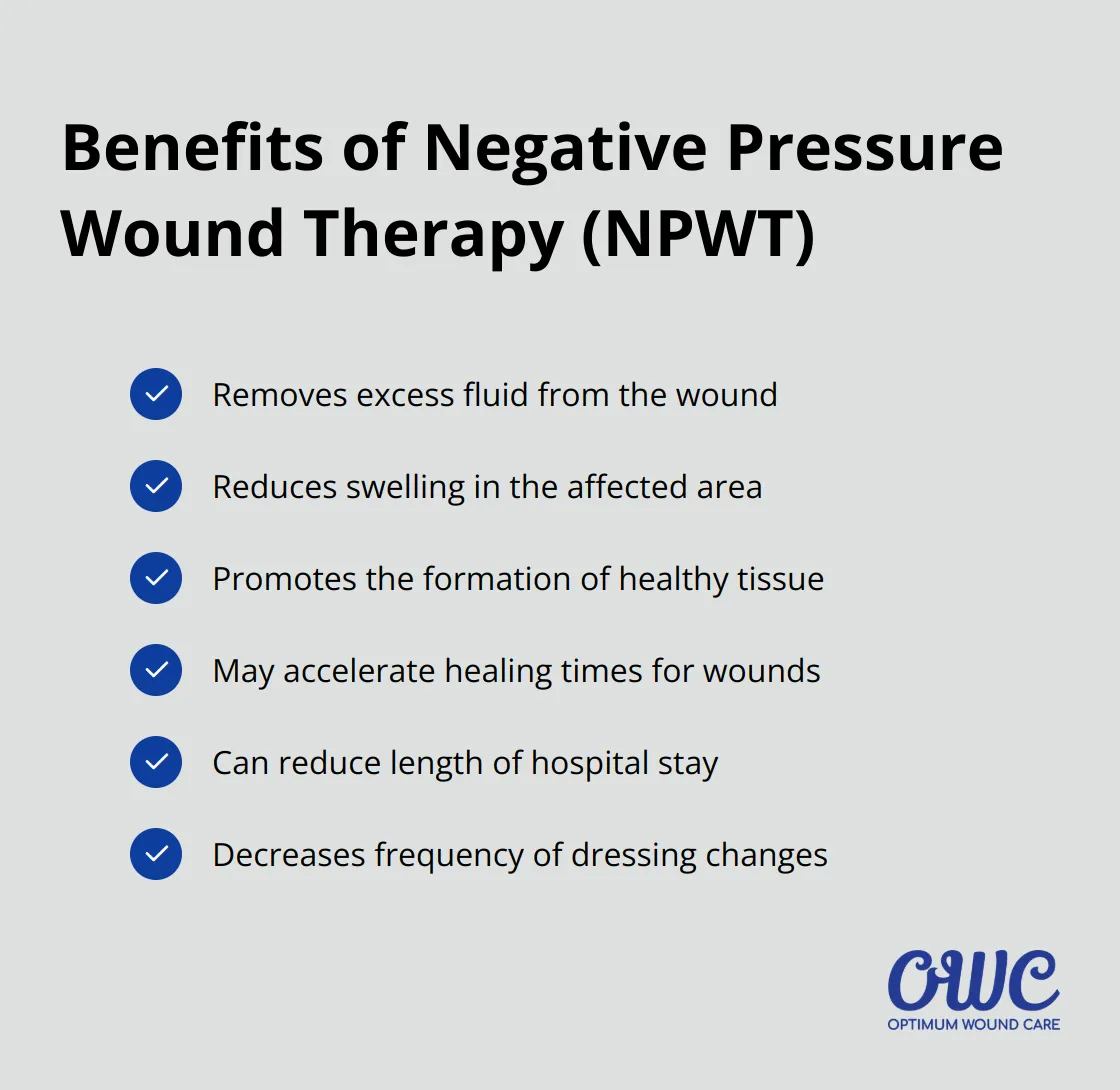
Negative Pressure Wound Therapy (NPWT) has revolutionized wound care. This technique applies controlled suction to the wound bed, which:
- Removes excess fluid
- Reduces swelling
- Promotes the formation of healthy tissue
At OWC, we’ve observed remarkable results with NPWT, particularly in treating diabetic foot ulcers and post-surgical wounds. Evidence suggests that NPWT may accelerate healing times, reduce both the length of hospital stay and the frequency of dressing changes.
Specialized Dressings for Targeted Treatment
We’ve moved beyond one-size-fits-all wound dressings. At OWC, we use a variety of specialized dressings designed to create an optimal healing environment. For example:
- Hydrocolloid dressings maintain a moist wound bed while absorbing excess fluid (ideal for pressure ulcers)
- Silver-infused dressings provide antimicrobial protection for infected wounds
The choice of dressing depends on factors like wound type, location, and the patient’s overall health status.
Bioengineered Skin Substitutes: Cutting-Edge Care
For particularly challenging wounds, we turn to bioengineered skin substitutes. These advanced products mimic the structure of human skin and provide a scaffold for new tissue growth. They’re especially effective for large or chronic wounds that haven’t responded to other treatments.
Our team at OWC stays at the forefront of wound care technology. We regularly attend conferences and training sessions to bring the latest advancements to our patients in Louisville. This commitment to innovation, combined with our personalized approach, allows us to offer comprehensive care that addresses the unique needs of each patient.
In the next section, we’ll explore the importance of comprehensive care for older adults, including nutritional support, pain management, and patient education.
Comprehensive Care for Older Adults with Wounds
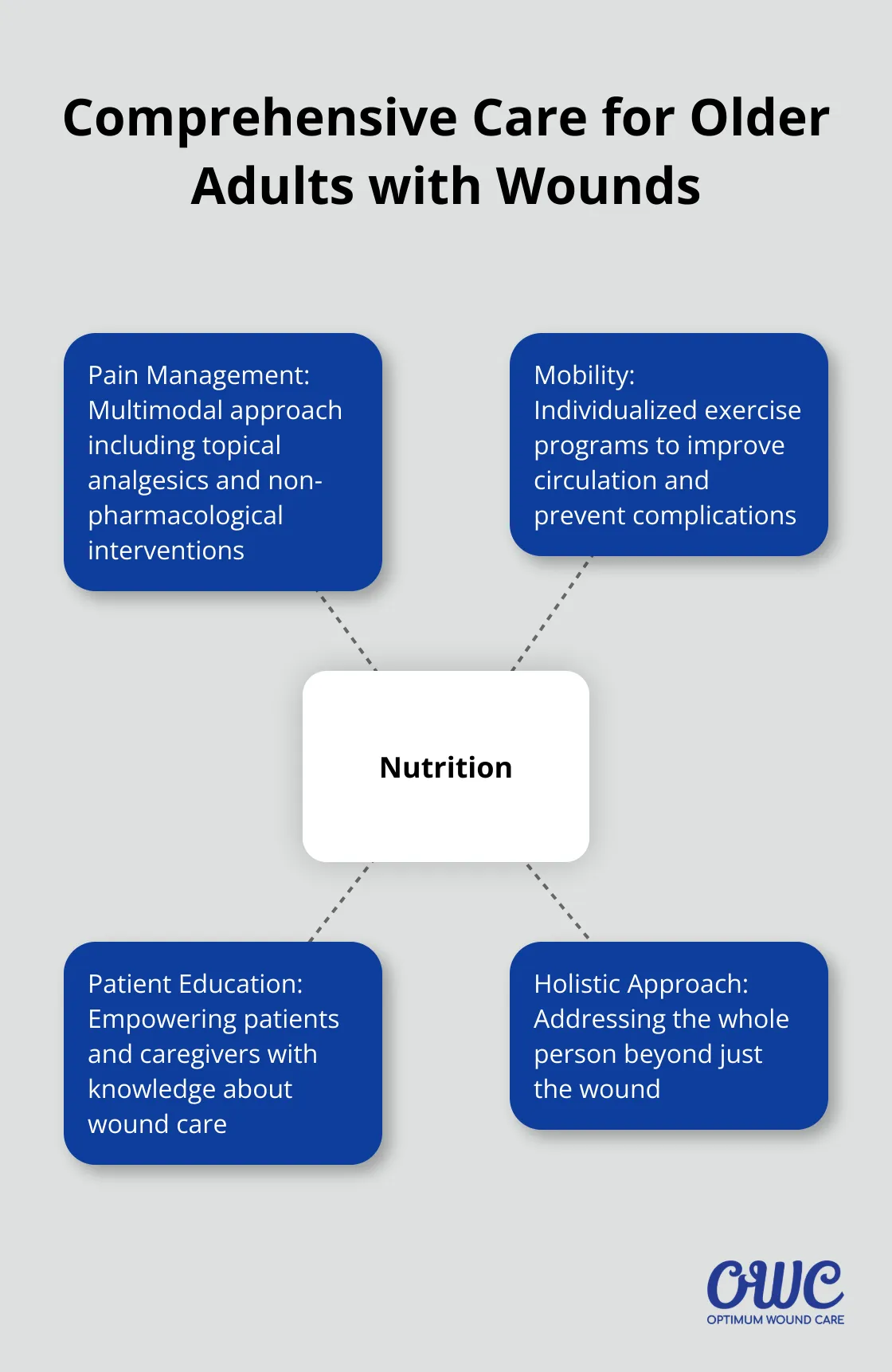
Nutrition: The Foundation of Healing
Proper nutrition forms the cornerstone of wound healing in older adults. At Optimum Wound Care, we collaborate with registered dietitians to ensure our patients receive adequate nutrients. The presence of a chronic wound can increase protein requirements by 250% and calorie requirements by 50% in order to maintain appropriate lean body mass. This approach helps combat the risk of malnutrition, which can significantly impair wound healing.
Pain Management: Comfort Promotes Recovery
Uncontrolled pain can hinder wound healing and decrease quality of life. Our multimodal approach to pain management includes topical analgesics, systemic medications, and non-pharmacological interventions like relaxation techniques.
Mobility: Movement Matters
Physical activity plays a vital role in preventing complications and promoting overall health. Our physical therapists design individualized exercise programs to improve circulation, prevent muscle atrophy, and reduce the risk of new pressure ulcers. For bedridden patients, we teach caregivers proper repositioning techniques. Turning and repositioning is considered one of the strategies to reduce the incidence of pressure injuries among hospitalized patients.
Patient Education: Knowledge Empowers
We consider informed patients and caregivers as crucial partners in the healing process. Our education program covers wound care techniques, signs of complications, and lifestyle modifications. For example, we teach diabetic patients how to perform daily foot checks.
Holistic Approach: Addressing the Whole Person
At Optimum Wound Care, we understand that effective wound management for older adults extends beyond treating the wound itself. Our approach encompasses the whole person, addressing various factors that influence healing and overall well-being. This comprehensive strategy not only promotes faster wound healing but also enhances the overall quality of life for older adults in Louisville.
Final Thoughts
Wound care for older adults in Louisville presents unique challenges that require specialized attention and expertise. Common wound types like pressure ulcers, diabetic foot ulcers, and venous leg ulcers can significantly impact the quality of life for seniors. These wounds often require advanced treatments and a comprehensive approach to care.
At Optimum Wound Care, we understand the complexities of elderly wound care in Louisville. Our specialized approach combines cutting-edge treatments with personalized care plans tailored to each patient’s needs. From precision debridement techniques to negative pressure wound therapy and bioengineered skin substitutes, we utilize the latest advancements in wound care technology to promote faster healing and improved outcomes.
The importance of seeking professional care for chronic wounds cannot be overstated. Early intervention and specialized treatment can prevent complications, reduce healing times, and improve long-term outcomes. If you or a loved one are dealing with a chronic wound, don’t hesitate to seek expert care. Optimum Wound Care (OWC) is here to help you navigate the complexities of wound care and support you on your journey to healing.
