
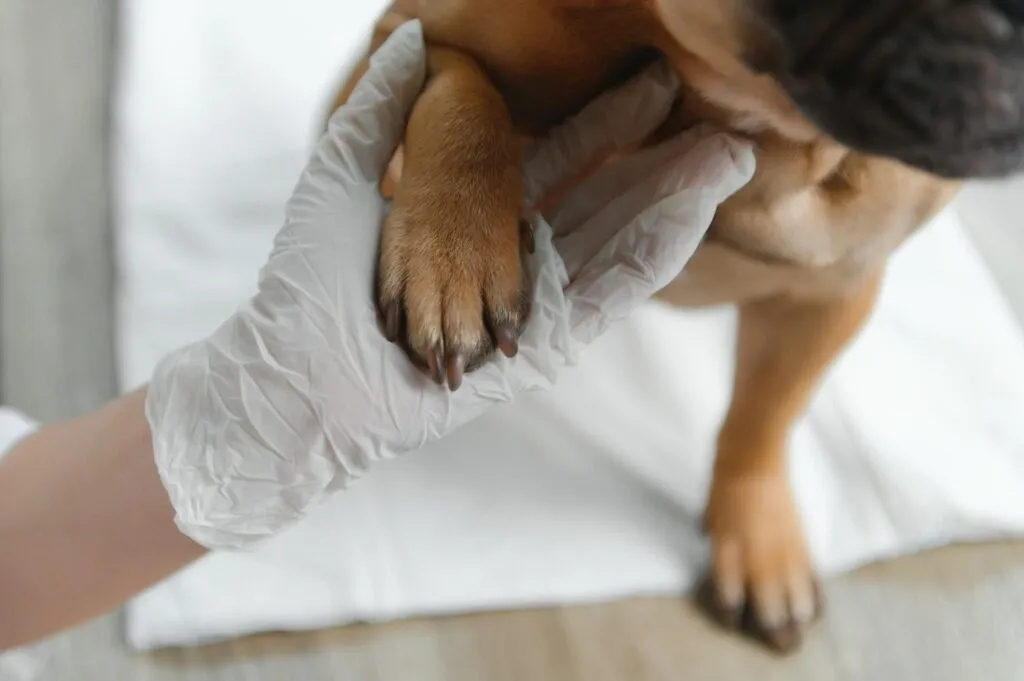
How Pet Owners Can Keep Wounds Safe from Infection
Wound Safety at Home Starts with Awareness
You might think your home feels safe. Familiar. Comfortable. As a pet owners, you share your couch with your dog. Your cat curls up on your blanket. It’s easy to forget that your pets can quietly bring in bacteria.
But when you’re managing a wound, these tiny organisms can become a big problem. One minute you’re resting. The next you see redness creeping around your bandage. Your pet doesn’t mean harm—but their natural habits can slow your recovery if you don’t plan ahead.
Here’s the thing: you don’t have to pick between your health and your pet’s companionship. You just need knowledge. And a few practical strategies.
Did you know that, according to a CDC study, pets can carry bacteria like MRSA, Pasteurella, and even E. coli on their fur and paws? That doesn’t mean you need to panic. It means you need to prepare. Creating a clean environment isn’t about isolating yourself—it’s about empowering yourself.
Imagine this: you finish changing your dressing. You turn away for a moment. Your dog decides to jump up and nuzzle the bandage. This simple act could introduce bacteria into your wound before you even realize it happened. The Mayo Clinic recommends always securing your dressing and keeping your pets’ bedding clean.
It sounds like a lot. But you don’t have to do it alone. At OWC Center, we’ve walked alongside countless patients who love their pets. We understand the emotional side of healing. With some planning, you can protect your wound without sacrificing the joy your furry family brings.
This guide will walk you step by step through real-life strategies to help you feel confident, informed, and supported.
Hygiene Tips to Keep Pets and Bacteria Away from Healing Wounds

When you think about hygiene, you probably imagine washing your hands. But in a house with pets, hygiene has layers. It’s about controlling the invisible highways bacteria use to travel from your pet’s paws to your wound.
Creating a Pet-Free Wound Care Zone
Start by designating one area as your clean space. This can be your bedroom or a spare room where you change dressings and check your wound. Use a lightweight gate or closed door to keep pets out while you handle supplies.
Everyday Hygiene Practices
Here are foundational practices you’ll want to build into your daily routine:
- Wash Hands Often: Before you touch any dressing or supplies, scrub with soap and warm water for at least 20 seconds.
- Change Dressings Promptly: Always replace damp or soiled dressings to prevent bacterial growth.
- Clean Surfaces: Disinfect countertops and bedside tables daily.
- Secure Trash: Use a closed trash can or sealed bag to dispose of used dressings.
A helpful reminder: It’s okay to take this step by step. You don’t have to overhaul your entire house in one day.
Anecdote: Mark’s Story
Mark, a retired firefighter from Louisville, had a diabetic foot ulcer that needed daily care. He loved his golden retriever, Scout, who never left his side. Mark worried that closing Scout out of his bedroom would stress them both. Instead, Mark created a routine: he’d play fetch outside with Scout before wound care, then settle Scout with a chew toy in another room. This small change kept Mark’s wound clean and let Scout feel included.
If you’re feeling overwhelmed, remember: it’s about small, repeatable habits.
Pets and Bacteria—What You Should Know
Our pets are naturally curious. They explore the world with their noses, paws, and mouths. While this is adorable, it’s also why they’re so effective at collecting bacteria.
How Bacteria Travel from Pets to Wounds
Let’s break down some common pathways:
- Direct Contact: A dog licking your hand—and then you touch your wound.
- Airborne Particles: Pet hair and dander can settle on dressings.
- Surfaces: Pets step on floors, couches, and even your bed. Bacteria can linger.
According to PetMD, dogs and cats carry over 1,000 types of bacteria on their skin and fur. While most won’t hurt a healthy person, wounds are vulnerable entry points.
Proactive Strategies:
- Regular Grooming: Bathe and brush your pet often to reduce dander.
- Pet Paw Wipes: Use pet-safe wipes after outdoor play.
- Limit Bedtime Cuddles: While it’s tough, try to set boundaries around your sleeping space until your wound has healed.
Hygiene Tips for Pet Owners Managing Wounds
This section dives into the “how-to” for creating a clean environment.
Your Wound Care Checklist
Here’s a checklist you can print and keep handy:
- Handwashing Supplies: Soap, hand sanitizer, clean towels.
- Cleaning Supplies: Disinfectant wipes, sprays, and gloves.
- Fresh Linens: Keep extra sets ready to rotate frequently.
- Secure Storage: Store wound care supplies in covered bins.
- Pet Care Items: Wipes, designated beds, and toys to keep them occupied.
Routine Cleaning Schedule
- Daily: Wipe down surfaces, check wound dressing.
- Every 2–3 Days: Launder linens.
- Weekly: Deep clean pet beds and toys.
Can My Pet Sleep in My Bed While My Wound Heals?
We hear this question often. The short answer: Ideally, no. But here’s how to make it work if you must.
3 Ways to Reduce Infection Risk:
- Designate a Spot: Use a washable blanket for your pet to sleep on.
- Clean Linens Often: Change sheets every 2–3 days.
- Barrier Devices: Pet gates or playpens can keep them close but off the bed.
Anecdote: Carla’s Approach
Carla had a pressure injury after surgery. Her cat, Muffin, had always slept pressed against her side. Instead of shutting Muffin out completely, Carla placed a soft bed next to hers and set a routine treat time before bed. Muffin adjusted quickly, and Carla’s wound stayed clean.
If you’re unsure how to set up your space, our team is always here to help you develop a personalized plan.
Related Questions Asked and Answered
How can pets increase the risk of wound infections?
Pets naturally carry bacteria in their fur, saliva, and paws. Even clean, well-groomed pets can spread germs. Close contact, shedding, and contaminated surfaces are common ways infections occur.
(Learn more on our Advanced Wound Care page.)
What hygiene tips can help keep my wound safe at home?
- Wash your hands before touching your wound.
- Keep your dressing clean and dry.
- Create a separate pet-free wound care zone.
- Clean surfaces daily.
- Wash linens often.
(Discover more on our Wound Assessment service page.)
Can I still let my pet sleep in my bed while I have a wound?
It’s best to avoid it, but if you can’t, use washable barriers and frequent linen changes.
What are signs that my wound might be infected?
- Spreading redness
- Swelling
- Odor
- Fever
- Pain
Seek help immediately if you notice these.
(Explore more on Chronic Wound Management.)
How can I safely enjoy time with my pet while recovering?
Play in clean areas, keep your wound covered, wash hands often, and create predictable routines to keep everyone happy and healthy.
With just a little preparation and a few new habits, you can protect your wound without giving up the comfort of your pet’s companionship. A clean environment, mindful routines, and clear boundaries go a long way in keeping bacteria at bay.
If your dog loves to snuggle or your cat insists on sharing your pillow, you don’t have to feel guilty about making temporary adjustments. Small changes—like designating a fresh linen spot or using a pet gate—help your body heal and keep your bond strong. Even washing your hands before and after playtime becomes a simple ritual that supports recovery.
Remember, the goal isn’t perfection; it’s consistency. Regular cleaning, careful dressing changes, and staying aware of signs of infection will keep you feeling confident. Many pet owners have walked this same path and found that, with patience and support, they could keep their wounds safe and their furry friends close by.
Whenever you feel unsure, trust that your care team is here to help you figure out what works best. Healing doesn’t mean isolating yourself—it means creating a safe, comfortable space where you and your pet can thrive together.
Key Takeaways
- Pets Can Carry Hidden Bacteria That Affect Healing
Even the cleanest pets can unknowingly bring bacteria into your wound care space. Staying mindful of how bacteria travel—through fur, paws, and bedding—helps you protect your health. Learn more about proactive prevention through our Advanced Wound Care services. - Clean Habits Make a Big Difference
Simple steps like washing your hands, changing dressings promptly, and disinfecting surfaces create a safer environment for recovery. Consistency with hygiene practices is key to reducing infection risks. Our Wound Assessment team is ready to guide you in building healthy routines. - You Don’t Have to Give Up Bonding With Your Pet
Temporary boundaries—like separate sleeping areas or clean play zones—can keep you close to your pet without compromising your wound health. These small changes are only temporary and help you heal faster. Explore compassionate support through our Chronic Wound Management. - Watch for Early Signs of Infection
Redness, swelling, unusual drainage, or fever can signal an infection that needs immediate attention. Tracking your wound daily helps you catch problems early and stay in control of your recovery. For expert guidance, visit our Pressure Injury Treatment resources. - You Have a Team Here to Support You
Healing doesn’t have to be isolating or overwhelming. From creating a clean care space to understanding how to keep your pet involved safely, you have help every step of the way. Connect with our caring team through Multidisciplinary Wound Care for personalized support.
5 Related Questions Asked and Answered
1. How can pets increase the risk of wound infections?
Pets are wonderful companions, but they naturally harbor bacteria in their fur, saliva, and paws. This doesn’t mean you need to isolate yourself from them, but awareness is key.
Here are a few ways pets can increase infection risk:
- Close Contact: When a dog licks your wound or you cuddle your cat, bacteria can transfer directly to the wound site.
- Shedding and Dander: Pet hair and skin flakes can land on dressings or open wounds, creating contamination risks.
- Surfaces and Bedding: Pets walk across floors, furniture, and your bed, potentially leaving behind bacteria that can spread.
How to Stay Safe:
- Keep your wound covered securely with a clean dressing at all times.
- Gently discourage licking or nuzzling near your wound.
- Wash your hands after petting or feeding animals.
- Clean your pet’s bedding and your own linens regularly.
If you ever notice redness, increased pain, or unusual discharge, contact your wound care specialist right away. At OWC Center, we offer Advanced Wound Care to help you manage and prevent complications.
2. What hygiene tips can help keep my wound safe at home?
Maintaining excellent hygiene is essential. Think of your home as your first line of defense.
Practical Hygiene Tips:
- Handwashing: Always wash your hands before and after touching your wound or changing dressings. Use warm water and soap for at least 20 seconds.
- Clean Surfaces: Disinfect countertops, bedside tables, and any surface where you set wound care supplies.
- Pet Zones: Create separate spaces where pets can relax that aren’t near your wound care area.
- Launder Frequently: Wash clothing, bedding, and pet blankets in hot water.
- Proper Waste Disposal: Safely discard used dressings and gloves in sealed bags to reduce contamination risk.
These steps may sound simple, but they’re powerful. Keeping your wound environment clean reduces your chances of infection dramatically.
If you have questions about at-home hygiene, our Wound Assessment team is here to guide you step by step.
3. Can I still let my pet sleep in my bed while I have a wound?
This is a common—and important—question. While your pet may be used to snuggling next to you, it’s safest to create some temporary boundaries while your wound heals.
Consider These Options:
- Designate a Separate Bed: Place a cozy pet bed near yours so your pet feels close without sharing your sheets.
- Use Barriers: A lightweight pet gate or barrier can help you keep your wound dressing free from pet hair and dander overnight.
- Frequent Linen Changes: If you choose to keep your pet in your bed, change sheets every 2–3 days and use a washable coverlet.
While this can feel like a big adjustment, remember it’s temporary. Most wounds will improve with good care, and soon you’ll be back to your normal routines.
4. What are signs that my wound might be infected?
Early detection is vital to prevent serious complications. If you see any of the following signs, call your healthcare provider immediately:
- Redness that spreads beyond the wound edges
- Increased swelling or warmth around the wound
- Thick yellow or green drainage
- Foul odor
- Fever or chills
- Worsening pain
Pro Tip: Keep a small notebook to track how your wound looks and feels each day. This record can help you and your wound care team notice changes quickly.
If you think your wound may be infected, reach out to OWC Center’s Wound Management services for immediate support. Prompt treatment can prevent complications and get you back on the road to healing.
5. How can I safely enjoy time with my pet while recovering?
Staying connected with your pet is an important part of emotional well-being. Here are ways to bond safely:
- Keep Playtime Clean: Use toys that are easy to disinfect and play in areas with hard floors you can sanitize.
- Practice Good Timing: Wait until after wound care tasks before cuddling to avoid cross-contamination.
- Mindful Touch: Avoid letting your pet climb onto your lap if your wound dressing is exposed.
- Hand Hygiene: Always wash your hands after petting or grooming your pet.
It can help to think of this as a team effort—you, your pet, and your wound care professionals working together to keep you safe. If you need help planning pet-safe wound care routines, our team at OWC Center is here to provide compassionate guidance.
