
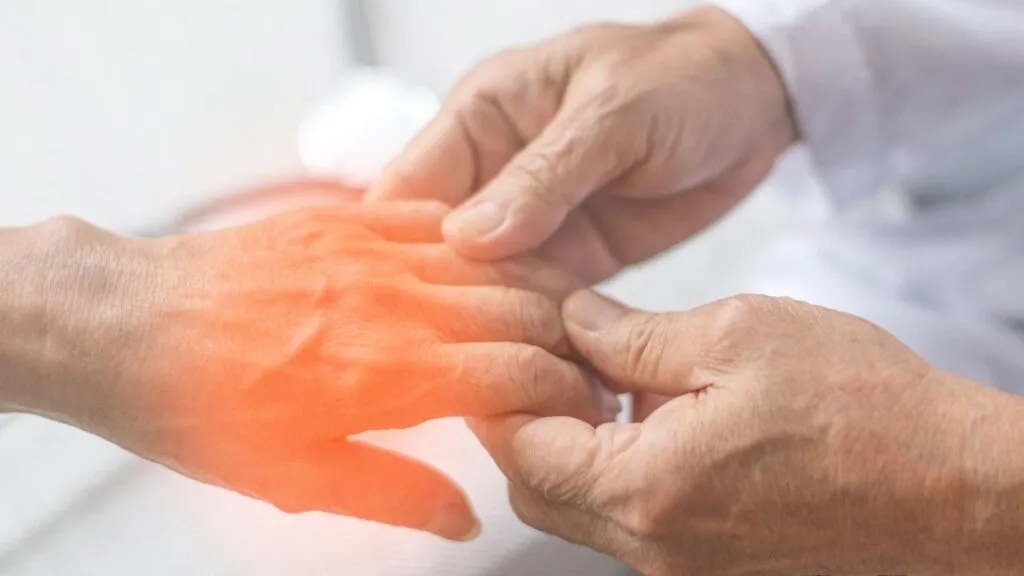
How Peripheral Neuropathy Delays Wound Healing
Wounds that won’t heal. Weeks pass. Still open. Still sore. Still stubborn.
But there’s no pain. No warning. That’s what makes peripheral neuropathy so tricky. Especially for people with diabetes.
You get a blister. Maybe a cut. Seems minor. But you don’t feel it. So you don’t treat it. And by the time you notice? It’s infected. It’s serious.
This isn’t just unlucky. It’s common. Nearly 50% of people with diabetes develop nerve damage, according to the National Institute of Diabetes and Digestive and Kidney Diseases. That means almost 1 in 2 diabetic patients are walking around with nerves that can’t sound the alarm.
Pain protects us. It helps us act. But if you can’t feel the pain, you don’t act—and wounds worsen.
And worse? Poor circulation follows. That means even when you treat the wound, it heals slower.
According to the American Diabetes Association, diabetes affects both nerves and blood flow a dangerous duo when it comes to healing.
That’s why at OWC Center, we take diabetic wounds seriously, even when they don’t seem serious. Because we’ve seen what happens when they’re ignored.
Let’s dig into how nerve damage delays healing—and what you can do to stop it.
How Nerve Damage Complicates Wound Recovery
Numbness and Danger
Nerve damage means your feet (and sometimes your hands) stop communicating with your brain. That might sound like a sci-fi plot, but it’s real—and risky.
- No pain signals = no action
- No awareness = delayed treatment
- No circulation = poor healing
At OWC Center, we call it the “silent threat.” A wound you can’t feel is a wound you won’t treat.
What You Can’t Feel Can Hurt You
And it’s not just about not feeling pain. Neuropathy also affects temperature and pressure sensitivity. You could burn your foot on hot pavement or rub a blister raw inside a shoe and not notice until infection sets in.
Wound assessment is key. That’s why we recommend routine foot exams for anyone with diabetes or neuropathy.
Diabetic Wounds: A Slower, Riskier Healing Path

More Than Just Sugar
High blood sugar does more than affect your insulin. It damages your blood vessels and immune system. Together, they slow healing.
That’s why diabetic wounds often:
- Heal slower
- Become infected more easily
- Require professional care to recover
Real Talk: Meet Angela
Angela came to us with a sore on her foot that had been there for over a month. She has Type 2 diabetes and didn’t notice the wound at first. By the time her daughter saw it, it was deep and infected.
At OWC Center, we treated her using:
- Advanced wound dressings
- Negative Pressure Wound Therapy
- Antibiotics
And most importantly compassion.
Johns Hopkins Medicine confirms that foot ulcers are among the most common diabetes complications. But with the right team, they can be healed.
Recognizing Early Signs of Peripheral Neuropathy
Don’t Wait Until You’re in Trouble
Peripheral neuropathy starts small. A little tingling. A bit of numbness. Maybe some burning pain at night.
But left unchecked? It can lead to life-changing wounds.
5 Warning Signs to Watch For:
- Numbness or tingling in your hands or feet
- Burning, stabbing, or electric pain (especially at night)
- Weakness or poor coordination
- Foot injuries that heal slowly
- Changes in skin color or temperature
Early Help = Better Healing
Don’t wait until the wound gets infected. If you spot any of these signs, call us at (502) 293-5665 or book an assessment.
Advanced Wound Care for Neuropathy Patients
What We Do at OWC Center
No two wounds are the same. No two patients are either. That’s why our care is as individualized as your story.
We Offer:
- Debridement (removal of dead tissue)
- Special dressings designed for diabetic skin
- Offloading to take pressure off the wound
- Lymphedema treatment to reduce swelling
- NPWT (Negative Pressure Wound Therapy)
5 Pillars of Our Care:
- Comprehensive evaluation and diagnosis
- A personalized healing plan
- Regular tracking and progress reviews
- Education for you and your loved ones
- Emotional support throughout recovery
Living with diabetes brings daily challenges—and peripheral neuropathy adds a silent layer of risk that many patients don’t even feel until it’s too late. A small blister or unnoticed sore can quietly grow into something much more serious, all because nerve damage masks the pain and delays the body’s natural alarm system. When combined with slower circulation and a weakened immune response, the healing process becomes anything but simple.
At OWC Center, we understand that diabetic wounds are more than skin deep. They’re personal, emotional, and often frustrating. That’s why our care goes beyond bandages—we offer guidance, education, and hands-on support through every stage of recovery. Whether you’re noticing early signs like tingling or numbness, or you’re dealing with a chronic wound that won’t heal, it’s never too soon—or too late—to get the help you deserve.
We’ve seen firsthand that with the right attention, tools, and teamwork, wounds do heal—even in the presence of neuropathy. And while the journey may take time, you’ll never walk it alone. At OWC Center, we’re here to help you reclaim comfort, protect your independence, and restore your quality of life—one step at a time.
Key Takeaways
1. Peripheral neuropathy can make wounds invisible—until they become serious.
Because nerve damage can block pain signals, patients with peripheral neuropathy often don’t notice small injuries. These unnoticed wounds can worsen quickly without immediate care. That’s why regular wound assessments are crucial—especially if you have diabetes or reduced sensation in your feet.
2. Diabetic patients are at higher risk for chronic wounds.
Diabetes affects more than blood sugar—it weakens your immune system and slows circulation. This combination delays healing and increases the risk of infection. OWCCenter’s advanced wound care is specially designed to address these complications and promote faster recovery.
3. Early signs of nerve damage should never be ignored.
Tingling, numbness, burning, or weakness can signal the onset of peripheral neuropathy. These symptoms often appear before wounds do. Catching these signs early through a comprehensive wound evaluation can prevent long-term issues and protect your mobility.
4. Healing is possible—even with nerve damage.
With the right support system, healing chronic diabetic wounds is absolutely achievable. Our team uses debridement, offloading, and Negative Pressure Wound Therapy to jumpstart the body’s natural healing process and reduce complications caused by neuropathy.
5. OWC Center offers personalized, compassionate care at every step.
From diagnosis to recovery, our goal is to treat the person, not just the wound. We tailor every care plan around your lifestyle, needs, and goals. If you’re living with peripheral neuropathy or diabetes, discover how our wound management services can make a lasting difference in your healing journey.
Related Question & Answers:
1. What is peripheral neuropathy, and how does it relate to wound healing?
Peripheral neuropathy refers to damage in the peripheral nerves—those responsible for sensing pain, temperature, and touch, especially in the feet and hands. When these nerves are impaired, it disrupts the body’s ability to feel injuries and respond appropriately. For someone with diabetes, this can be dangerous.
Here’s why:
- You may not feel pain: A blister, cut, or sore can go unnoticed.
- Delayed treatment: Without pain as a warning, the wound is left untreated longer.
- Poor circulation: Neuropathy is often paired with poor blood flow, reducing the delivery of oxygen and nutrients needed for healing.
- Increased infection risk: Without intervention, bacteria can enter the wound and cause serious infections.
At OWC Center, we specialize in diabetic foot ulcer treatment, helping patients catch these wounds early—even when they don’t feel them.
2. Why are diabetic patients more at risk of peripheral neuropathy and wounds?
People living with diabetes are particularly vulnerable to nerve damage due to chronically high blood sugar. Over time, elevated glucose levels can damage nerves and blood vessels, especially in the lower extremities.
This increases risk in two major ways:
- Loss of sensation: A stubbed toe or small scrape might go unnoticed and untreated.
- Poor immune response: Diabetes impairs the body’s ability to fight off bacteria, raising the risk of infection.
Even more concerning, diabetic wounds tend to heal slower. The combination of neuropathy and impaired circulation creates the perfect storm for a minor wound to evolve into a chronic ulcer.
That’s why we offer advanced wound care at OWC Center—to manage complications before they become emergencies.
3. What signs should I look for if I have peripheral neuropathy?
Early signs of peripheral neuropathy can be subtle and easy to miss, especially if you’re focused on managing other aspects of diabetes. But recognizing them early can prevent serious wounds from forming.
Common symptoms include:
- Tingling or numbness in your feet or hands
- Burning or stabbing pain, especially at night
- Weakness or loss of coordination
- Open wounds that don’t seem to heal
If you notice any of these symptoms, especially in combination with a sore or ulcer, it’s time for a wound assessment. The sooner we can evaluate your condition, the better your chances for full recovery.
4. How does OWC Center treat diabetic wounds related to neuropathy?
Our team uses a combination of personalized care and cutting-edge technology to treat neuropathy-related wounds. We understand that no two patients—or wounds—are alike.
Our approach includes:
- Regular debridement: Cleaning the wound to remove dead tissue and promote healing
- Offloading techniques: Reducing pressure on the wound to minimize further damage
- Specialized dressings: Tailored to each wound type to speed up healing and reduce infection
- Negative Pressure Wound Therapy (NPWT): Encourages blood flow and tissue regeneration
- Lymphedema management, if swelling is contributing to poor healing
We don’t just treat wounds—we treat people. Every care plan at OWCCenter is built around your needs, comfort, and goals for recovery. Learn more about wound management and how we can help.
5. Can wounds still heal if I already have nerve damage?
Absolutely—healing is possible even with nerve damage, but it requires consistent, specialized care. The key is early intervention and comprehensive support.
Here’s what makes a difference:
- Close monitoring: Regular check-ups to track wound progress
- Education: We teach patients and families how to care for wounds at home
- Integrated care: Collaborating with your primary care doctor or endocrinologist
- Emotional support: Healing isn’t just physical. We’re here to guide you every step of the way.
Peripheral neuropathy doesn’t have to mean a lifetime of chronic wounds. With OWCCenter by your side, you gain access to a team that understands nerve damage and how to heal from it. Trust in our Louisville wound specialists to walk this journey with you.
If you or someone you love is living with diabetes or peripheral neuropathy, don’t wait for a wound to get worse. Contact us today to schedule a comprehensive wound care evaluation.
📍 OWC Center | 9115 Leesgate Road, Suite B, Louisville, KY 40222
📞 (502) 293-5665
📧 [email protected]
