

What Are the Stages of a Pressure Injury and How Are They Treated?
At OWC Center, we understand the critical nature of pressure injury and their impact on patient health. These wounds, also known as bedsores or pressure ulcers, can develop rapidly and lead to severe complications if left untreated.
In this post, we’ll explore the different stages of pressure injuries and discuss effective treatment approaches for each stage. For those seeking specialized care for pressure injuries in Louisville, understanding these stages is the first step towards proper management and recovery.
What Are Pressure Injuries?
Definition and Impact
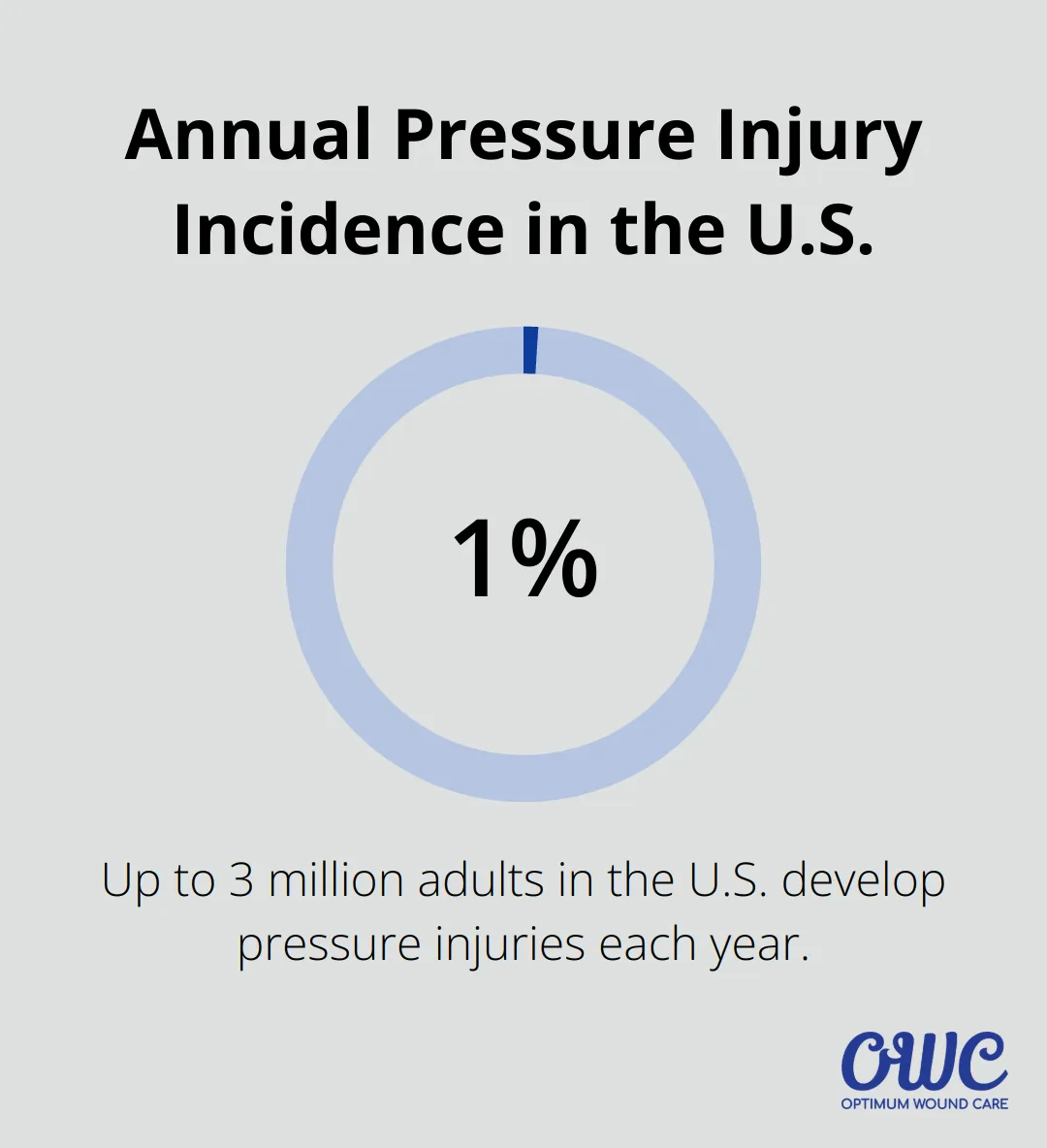
Pressure injuries are localized skin and soft tissue injuries that develop due to prolonged pressure exerted over specific areas of the body, typically bony prominences. These injuries typically occur over bony prominences or under medical devices. Also known as bedsores or pressure ulcers, they develop when prolonged pressure restricts blood flow to an area, leading to tissue death. The National Pressure Injury Advisory Panel reports that up to 3 million adults in the United States develop pressure injuries annually, highlighting their significant impact on patient health.
Common Causes and Risk Factors
The primary cause of pressure injuries is sustained pressure on the skin, often due to immobility. This is particularly common in bedridden patients or those with limited mobility. Risk factors include:
- Limited mobility or paralysis
- Poor nutrition and hydration
- Incontinence
- Reduced sensation
- Advanced age
- Certain medical conditions (e.g., diabetes or vascular disease)
Early Detection Strategies
Early detection of pressure injuries is vital for effective management. Healthcare providers should conduct regular skin assessments, especially for high-risk patients. The Braden Scale has a moderate predictive validity and is more suitable for mean age <60 years and hospitalized patients. It helps identify patients at risk by evaluating factors such as:
- Sensory perception
- Moisture
- Activity
- Mobility
- Nutrition
- Friction/shear
Prevention Techniques
Prevention is key in managing pressure injuries. Effective strategies include:
- Regular repositioning
- Use of pressure-redistributing surfaces (specialized mattresses or cushions)
- Maintenance of good skin hygiene and moisture balance
- Proper nutrition and hydration
- Effective incontinence management
Healthcare professionals should emphasize these preventive measures to patients and their caregivers. A comprehensive approach to prevention and early detection can significantly reduce the incidence and severity of pressure injuries.
As we move forward, we’ll explore the different stages of pressure injuries in detail, providing a clear understanding of how these wounds progress and the specific characteristics of each stage.
How Do Pressure Injuries Progress?
Pressure injuries progress through distinct stages, each with its own characteristics and treatment requirements. Understanding these stages is crucial for effective management and prevention of further deterioration.
Stage 1: The Warning Sign
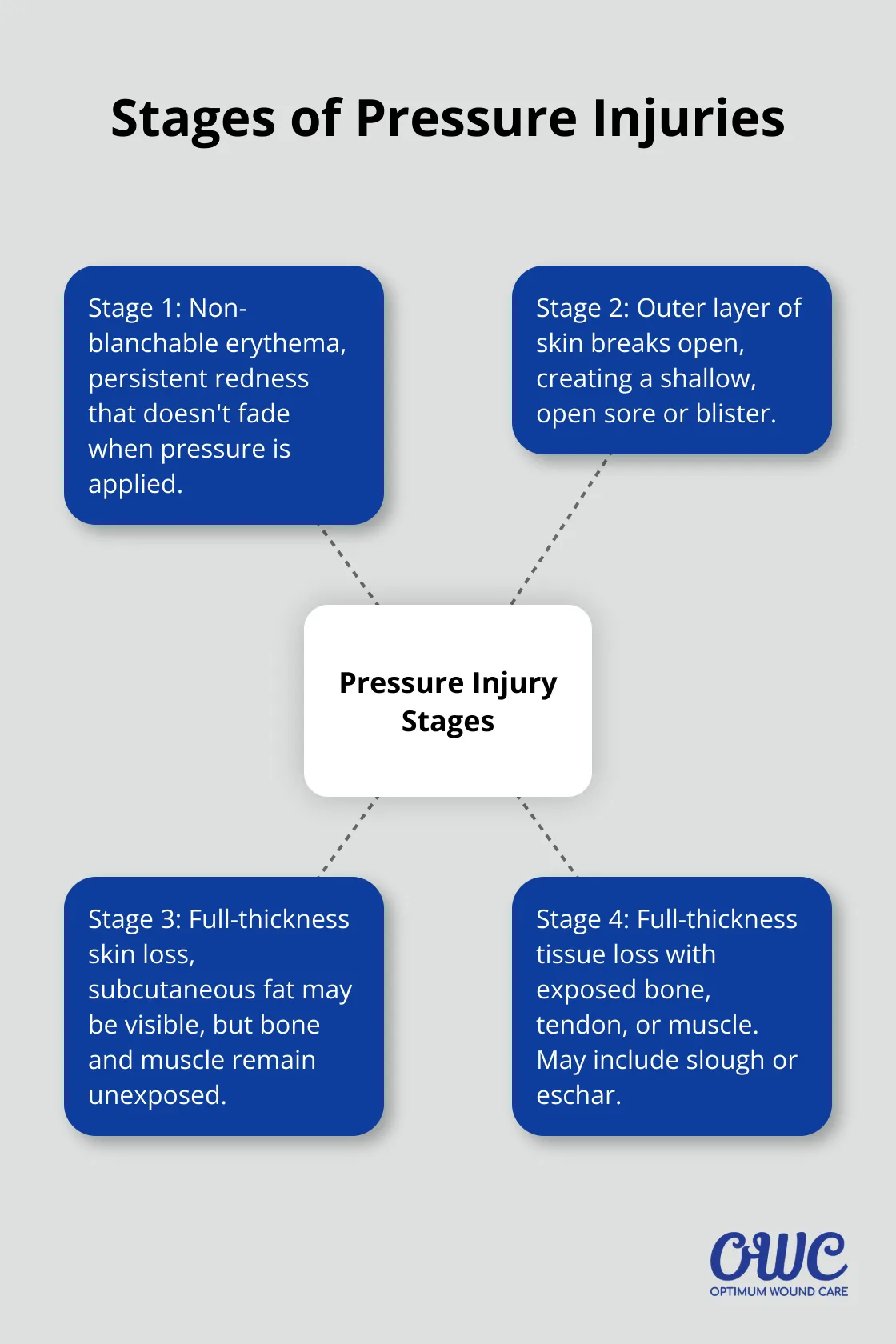
The first stage of a pressure injury presents as non-blanchable erythema – a persistent redness that doesn’t fade when pressure is applied. This stage serves as a critical warning signal requiring attention. The skin may feel warmer, cooler, firmer, or softer than surrounding areas. Immediate action at this stage can prevent further tissue damage.
Stage 2: Breaking the Surface
In stage 2, the outer layer of skin breaks open, creating a shallow, open sore. This stage may also manifest as an intact or ruptured blister. The wound bed appears pink or red, without slough. Protection of the wound from infection becomes paramount at this stage.
Stage 3: Deepening Damage
Stage 3 pressure injuries involve full-thickness skin loss. Subcutaneous fat may become visible, but bone, tendon, and muscle remain unexposed. Slough may appear, and the injury often extends beyond the primary wound edges. Specialized wound care becomes essential to promote healing and halt further deterioration.
Stage 4: Severe Tissue Loss
The most severe stage of pressure injury involves full-thickness tissue loss with exposed bone, tendon, or muscle. Slough or eschar may be present, and the injury often includes undermining and tunneling. These injuries require aggressive treatment (and may necessitate surgical intervention).
Unstageable and Deep Tissue Injuries
Some pressure injuries don’t fit neatly into these stages. Unstageable pressure injuries are covered by slough or eschar, making it impossible to determine the true depth of tissue damage. Deep tissue pressure injuries may appear as a purple or maroon localized area of discolored intact skin or a blood-filled blister. These injuries can rapidly evolve into more severe stages.
Accurate assessment and staging of pressure injuries require advanced diagnostic techniques. Experienced wound care specialists develop tailored treatment plans for each stage of pressure injury. The combination of clinical expertise with state-of-the-art wound care techniques promotes faster healing and prevents complications.
The progression of pressure injuries underscores the importance of early detection and intervention. The next section will explore specific treatment approaches for each stage, providing practical insights into effective pressure injury management.
How to Treat Pressure Injuries at Each Stage
Treatment approaches for pressure injuries vary depending on the stage of the wound. Here’s an overview of the strategies used for different stages:
Stage 1: Prevention is Key
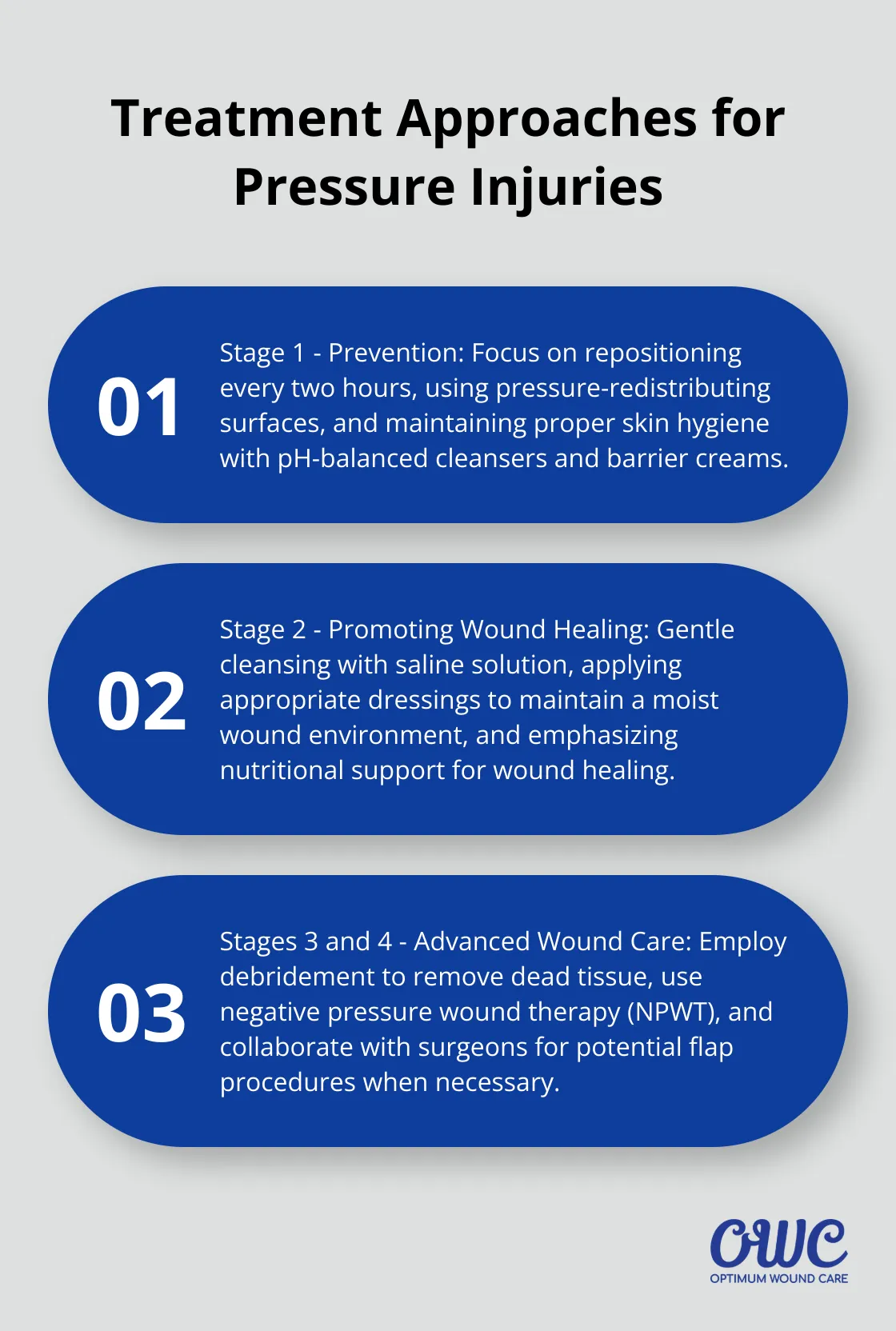
For Stage 1 pressure injuries, we focus on preventing further damage. We recommend repositioning every two hours to alleviate pressure on the affected area. Pressure-redistributing surfaces (such as beds, overlays, and mattresses) can help reduce the incidence of pressure ulcers. Proper skin hygiene is essential; we advise using pH-balanced cleansers and applying barrier creams to protect the skin from moisture and friction.
Stage 2: Promoting Wound Healing
Stage 2 injuries require more intensive care. Our approach includes:
- Gentle cleansing with saline solution
- Applying appropriate dressings (hydrocolloid or foam) to maintain a moist wound environment
- Emphasizing nutritional support
Adequate protein and calorie intake are essential for wound healing. Nutritional deprivation and insufficient dietary intake are key risk factors for the development of pressure ulcers and impaired wound healing.
Stage 3 and 4: Advanced Wound Care
For Stage 3 and 4 pressure injuries, we employ advanced techniques:
- Debridement to remove dead tissue
- Negative pressure wound therapy (NPWT)
- Collaboration with surgeons for potential flap procedures
We use various debridement methods, including autolytic, enzymatic, and sharp debridement, depending on wound characteristics and patient condition. NPWT with standard low pressure of 80-125 mmHg could improve microcirculation and accelerate the healing process of chronic wounds.
Unstageable and Deep Tissue Injuries: Vigilant Monitoring
Unstageable and deep tissue injuries require specialized care:
- For unstageable injuries, we focus on conservative debridement to assess the true extent of tissue damage
- Deep tissue injuries are treated with offloading techniques and advanced dressings to prevent further deterioration
- Frequent reassessment adjusts the treatment plan as the wound evolves
At Optimum Wound Care, we understand that each pressure injury is unique. Our experienced team utilizes the latest evidence-based practices to provide personalized, effective treatment for all stages of pressure injuries. We combine clinical expertise with advanced wound care technologies to accelerate healing and improve our patients’ quality of life.
Final Thoughts
Pressure injuries progress through distinct stages, each requiring specific treatment approaches. Early detection and proper staging are essential for effective management, from the initial warning signs of Stage 1 to the severe tissue damage in Stage 4. Accurate staging guides treatment decisions, ensuring patients receive appropriate interventions at each phase of wound development.
Specialized clinics play a vital role in providing comprehensive wound management for residents in Louisville seeking expert care for pressure injuries. These clinics offer advanced therapies and personalized treatment plans for all stages of pressure injuries. Professional wound care services can provide the expertise and support needed for effective healing and recovery.
At OWC Center, we offer specialized care for pressure injuries in Louisville. Our experienced team combines clinical expertise with cutting-edge techniques to promote faster healing and prevent complications. Patients dealing with pressure injuries can achieve better outcomes and regain their quality of life through timely, specialized care.
