
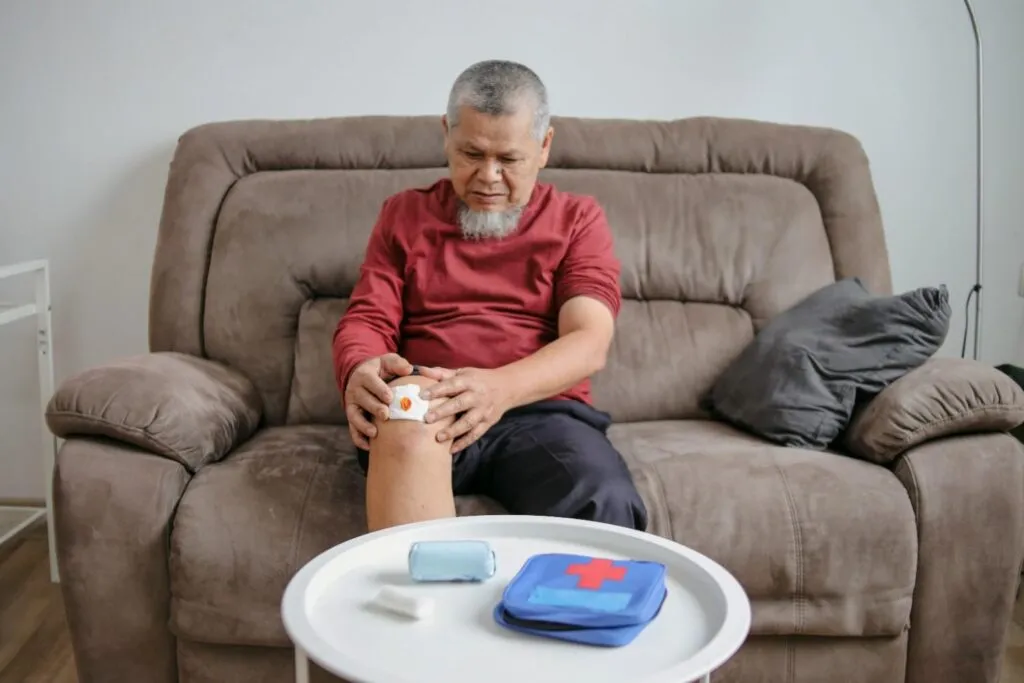
How to Encourage Compliance with Home Wound Care Plans
Why Home Wound Care Compliance Is Crucial for Healing
Painful. Frustrating. Easy to forget. That’s home wound care for many patients. But here’s the truth—sticking to the plan can make the difference between fast healing and a months-long struggle.
You’re not alone. According to the National Library of Medicine, non-compliance in wound care leads to higher infection rates, longer healing times, and increased healthcare costs. For patients with chronic conditions or limited mobility, the risks are even greater.
And yet—patients often forget dressing changes. Or skip medications. Or misunderstand what needs to be done. A NIH report highlights that wounds left untreated or poorly managed can quickly escalate.
If you’re a caregiver or recovering from a wound yourself, it’s okay to feel overwhelmed. That’s where support, reminders, and smart strategies come in. This guide will help you—or someone you love—stay consistent, comfortable, and confident throughout the healing process.
Adherence Tips That Actually Work

The Power of Structure
Let’s face it: wound care isn’t always convenient. But when care tasks are integrated into a daily rhythm, they feel less like chores and more like habits.
- Use your phone: Set alarms or app reminders for dressing changes, cleansing routines, or medication doses.
- Tie care to daily routines: Connect wound care with existing habits—like right after brushing teeth or before your evening TV show.
- Make it visual: A wound care checklist on the fridge or bathroom mirror can go a long way.
- Create a care caddy: Keep all supplies in one spot so you’re not scrambling.
- Celebrate milestones: Noticing less drainage? Skin looking healthier? That’s progress worth celebrating.
At OWC Center, we help patients build care schedules that feel achievable not overwhelming. Explore our home wound services to see how we personalize every plan.
Turning Reminders Into Routines
Building habits starts with simple repetition. Smartphone apps like Medisafe or CareZone are great tools to keep you on track. For some, voice assistants like Alexa offer hands-free reminders that are especially helpful for seniors.
Caregivers can also print out daily logs where each dressing change or medication dose gets a simple checkmark. That check becomes a little victory—and a visible record of healing progress.
When Adherence Becomes a Struggle
Even with the best tools, some days will be harder than others. If wound care is causing distress or confusion, that’s your signal to check in with a provider. At OWC Center, we can adjust your plan, simplify steps, or even recommend in-home nursing support.
Understanding Reminders as Support, Not Pressure
Why Gentle Encouragement Matters
Support isn’t about nagging—it’s about building trust. Many patients feel embarrassed or defeated when they miss a care step. That’s why a soft, compassionate approach works best:
- “Want me to get your care kit ready?”
- “What time would be easiest for your dressing change today?”
- “I saw how clean your wound looked yesterday. Great job!”
Caregiver Tips That Build Trust
- Be there for the appointments: It’s easier to help when you know what’s expected.
- Create shared routines: If you’re both waking up, do the wound care first thing together.
- Label everything clearly: Confusion is the enemy of confidence.
- Keep communication open: Ask how they’re feeling emotionally, not just physically.
- Look for burnout: If you’re a caregiver, remember to refill your own cup too.
💡 Helpful link: Read our caregiver wound care guide
Bulletproofing Wound Care with Technology
Why Digital Tools Make a Difference
In today’s world, there’s a tool for everything—and wound care is no different. Digital tools bring consistency, comfort, and a sense of control.
- Apps for reminders: Like CareZone or Medisafe
- Smart home tech: Alexa or Google reminders
- Telehealth access: Talk to your provider from your couch
- Wound photos: Safely track healing with daily pictures
- Digital charts: Print or save to track dressing changes, pain levels, and supply needs
At OWC Center, we offer virtual follow-ups so you don’t have to travel for routine checks. Ask us about our telehealth wound care support.
Adherence Isn’t Perfect—But It’s Possible
Real-Life Challenges, Real-Life Solutions
No one is perfect—and no care plan should expect you to be. We’ve seen patients face every kind of barrier:
- A father recovering from diabetic foot ulcers who forgot his dressing changes
- A single mom managing her own wound while juggling kids and work
- A senior who thought it wasn’t a big deal to “skip just one day”
With support, tools, and a plan that fits their life—not the other way around—they healed. And you can too.
Healing at home can feel like a challenge, but with a little structure, the right reminders, and supportive care, it becomes manageable—and even empowering. Whether you’re recovering from surgery, managing a chronic wound, or helping a loved one heal, small, consistent actions lead to big improvements. Tools like phone apps, printed checklists, and virtual follow-ups offer practical ways to stay on track, while compassionate caregiver support brings the emotional strength needed to keep going.
Every skipped dressing change or forgotten step doesn’t have to derail the healing process. What matters most is building a system that fits your life and adjusting it when things don’t go as planned. With the right strategies and a little encouragement, wound care doesn’t have to feel like a burden—it can become part of a daily rhythm that supports not only physical recovery but also a renewed sense of confidence and control.
At OWC Center, we’re here for that journey—one reminder, one routine, one healed wound at a time.
✅ Key Takeaways
- Consistent wound care is the foundation of healing.
Missing even a single dressing change or medication dose can slow healing or increase the risk of infection. By sticking to a care routine, patients give their bodies the best chance at recovery. OWC Center offers personalized wound care plans to help make consistency feel manageable and not overwhelming. - Adherence challenges are normal—but solvable.
Confusion, discomfort, and daily distractions are common reasons people fall off track. That’s why patient education and visual tools are so important. We offer educational support and simple, practical resources to help patients feel empowered—not stressed—at home. - Smart reminders and daily habits go a long way.
Digital tools like reminder apps, printed logs, and voice assistant alerts can transform wound care from a chore into a smooth routine. For extra support, OWC Center offers virtual follow-ups that bring care right into your home. - Caregivers play a vital role in the healing journey.
Encouragement, empathy, and patience make all the difference. Whether it’s helping organize supplies or offering emotional reassurance, caregivers are key to successful home recovery. Our clinic provides support and guidance tailored to caregivers too. - No one has to navigate wound healing alone.
Whether you’re managing a chronic condition or recovering post-surgery, we’re here to walk with you every step of the way. With comprehensive care, flexible scheduling, and a compassionate team, OWC Center ensures patients feel supported throughout their healing journey.
5 Related Questions Asked and Answered
1. Why is wound care compliance at home so important?
Wound care compliance isn’t just a box to check—it’s the backbone of effective healing.
When patients skip dressing changes, forget medications, or don’t follow hygiene instructions, they increase their risk for infection, delayed healing, or even hospitalization. Here’s why sticking to the plan matters:
- Prevents infection: Proper cleaning and dressing changes reduce bacterial exposure.
- Speeds healing: Timely treatment helps wounds close faster and stronger.
- Reduces complications: Non-compliance may lead to chronic wounds or need for surgery.
- Minimizes pain and scarring: Consistent care improves comfort and cosmetic outcome.
At OWC Center, we personalize wound care instructions and offer Follow-Up Visits to support patients who may need help staying on track.
2. What are the most common reasons people struggle to stick to a wound care plan?
Life gets in the way, and wound care can feel overwhelming. Common barriers include:
- Confusion about instructions: Medical jargon or unclear demonstrations can lead to mistakes.
- Forgetfulness: Busy days make it easy to skip a dressing change or dose.
- Mobility issues: If patients can’t reach the wound area, they may delay care.
- Discomfort: Painful procedures may cause avoidance.
- Lack of support: Those living alone or without caregiving help may feel lost.
💡 Tip: Ask your provider for written instructions, visual guides, or even a quick demo on your phone. Our Patient Education Resources can also be a helpful reminder tool at home.
3. What are some effective tips to help improve adherence to home wound care?
Consistency is key—but so is simplicity. Try these practical adherence tips:
- Set calendar or phone reminders for dressing changes and medication.
- Create a checklist for daily wound care tasks.
- Use a mirror or ask a caregiver for help if the wound is in a hard-to-reach place.
- Establish a routine—tie care tasks to morning or bedtime rituals.
- Keep supplies organized and visible so nothing gets forgotten.
✨ Pro Tip: At OWC Center, we can help you create a customized care schedule that fits your daily life, not the other way around.
4. How can caregivers support wound care compliance without adding pressure?
Supporting someone through wound healing takes patience and empathy.
Here’s how caregivers can gently encourage without overwhelming:
- Be involved during appointments to understand care instructions first-hand.
- Help set up a care station at home with labeled supplies and reminders.
- Offer emotional support—healing can be frustrating, and your encouragement matters.
- Avoid blame or nagging. Instead, try phrases like “Want me to help set this up now?” or “What can I do to make this easier for you today?”
- Celebrate small wins: “Great job on keeping your wound clean—let’s keep this up!”
If you’re a caregiver and need guidance, explore our Caregiver Support Services or schedule a consultation for hands-on help.
5. What tools or technology can help patients remember wound care steps?
Technology can be a major ally in wound care adherence. Consider these options:
- Smartphone apps like Medisafe or CareZone to schedule alerts for tasks and medications.
- Digital timers or Alexa reminders for hands-free alerts.
- Printable charts for visually tracking dressing changes and healing progress.
- Photo journaling to see healing over time (and catch early warning signs).
- Telehealth check-ins for ongoing provider support.
At OWC Center, we even offer virtual follow-ups to check in on your care progress—ask us how to get started.
📍 Looking for more ways to personalize your care plan? Visit our Comprehensive Wound Services to learn how we help patients heal safely and comfortably at home.
Let’s make healing less stressful and more successful by focusing on clear guidance, compassion, and consistent care. Whether you’re a patient or a caregiver, you’re not alone in this journey.
