

When to See a Specialist for Diabetic Wounds in Louisville
At OWC Center, we understand the challenges faced by diabetic patients in managing their health, especially when it comes to wound care.
Diabetic wounds in Louisville can be particularly concerning, as they often require specialized attention to prevent complications.
This blog post will guide you through the signs that indicate it’s time to see a specialist for your diabetic wound and highlight the benefits of seeking expert care in Louisville.
What Are Diabetic Wounds?
Definition and Causes
Diabetic wounds pose a significant health risk for individuals with diabetes in Louisville and beyond. These wounds, often occurring on the feet, result from high blood sugar levels that damage nerves and blood vessels. This damage reduces sensation and impairs circulation, which increases the likelihood of injuries and hinders the healing process.
Types of Diabetic Wounds
Foot Ulcers
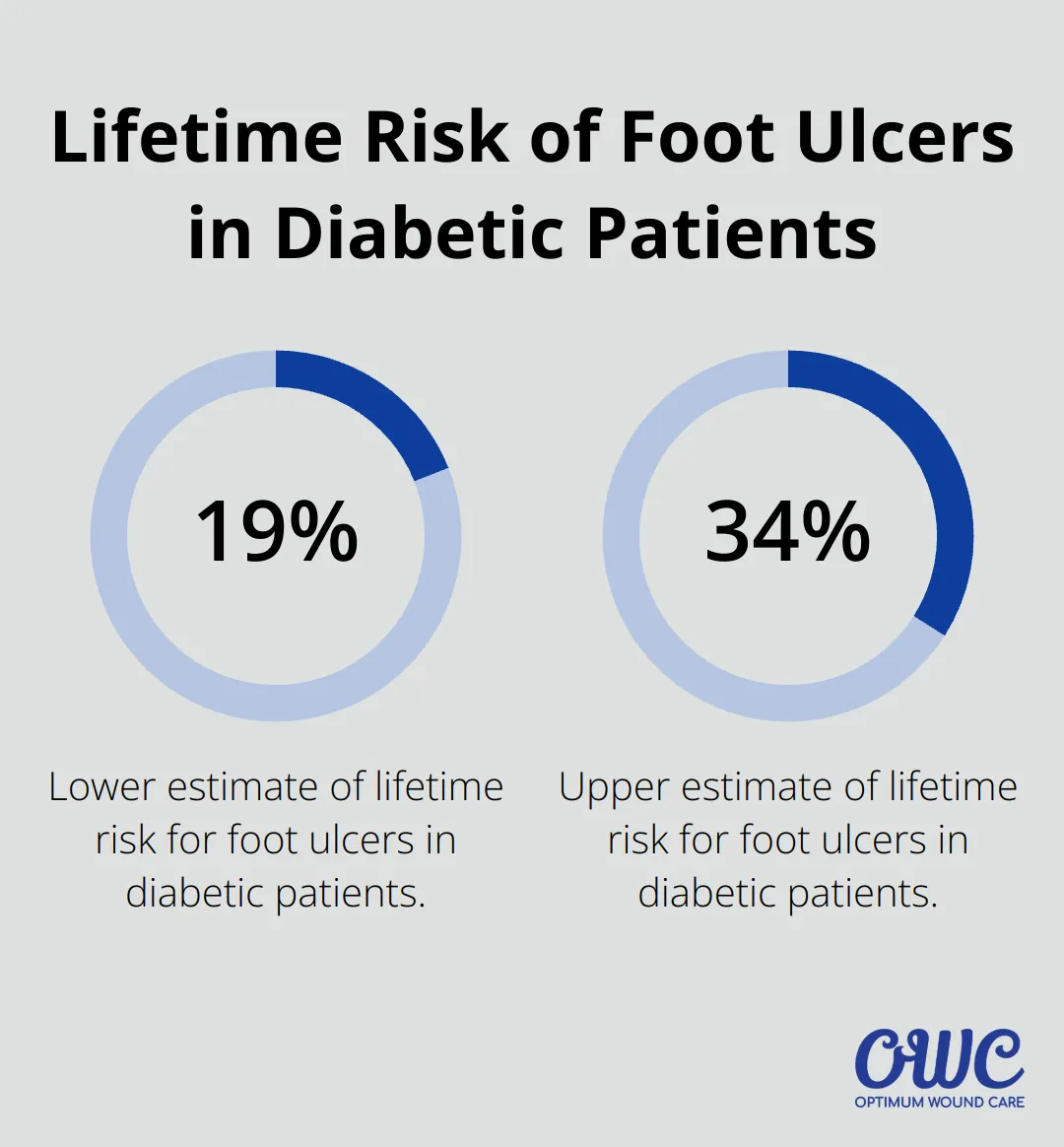
The most prevalent type of diabetic wound is the foot ulcer. Studies show that the lifetime risk of foot ulcer is 19% to 34% for people with diabetes. These ulcers typically form on the bottom of the foot or toes, areas that experience the highest pressure during walking.
Arterial and Venous Ulcers
Arterial ulcers, another common type, occur due to poor blood flow. They usually appear on the heels, tips of toes, or between the toes. Venous ulcers, caused by poor circulation in the legs, also frequently affect diabetic patients.
Risks of Untreated Wounds
Failure to treat diabetic wounds can lead to severe complications. Infection stands as the primary concern. Diabetic foot infections are a major complication of diabetes mellitus and a leading cause of lower extremity amputations.
In severe cases, untreated wounds can necessitate amputation. The Centers for Disease Control and Prevention (CDC) reports that 80% of lower-limb amputations are a result of diabetes.
Early Detection and Treatment
Optimum Wound Care in Louisville emphasizes the importance of early detection and treatment. Regular foot checks play a vital role in this process. Patients should look for any cuts, blisters, or changes in skin color. If a wound doesn’t heal within a few days, it’s time to seek professional help.
Proper wound care involves keeping the area clean, using appropriate dressings, and managing blood sugar levels. However, professional care often proves necessary for optimal healing. The specialized team at Optimum Wound Care offers advanced treatments (such as debridement and negative-pressure wound therapy) to promote faster healing and prevent complications.
With diabetes, even a small wound can escalate into a significant problem if not addressed promptly. The next section will discuss the signs that indicate you need to consult a specialist for your diabetic wound.
When to Seek Specialist Care for Diabetic Wounds
Persistent Wounds
Persistent wounds that show no noticeable improvement within two to three weeks should prompt you to consult a specialist. Wounds healing slower than this timeframe often benefit from advanced treatments like specialized dressings or negative-pressure wound therapy.
Infection Warning Signs
Infection poses a serious concern for diabetic wounds. Look out for these symptoms:
- Redness extending more than half an inch from the wound edge
- Increased pain
- Warmth
- Swelling
- Presence of pus
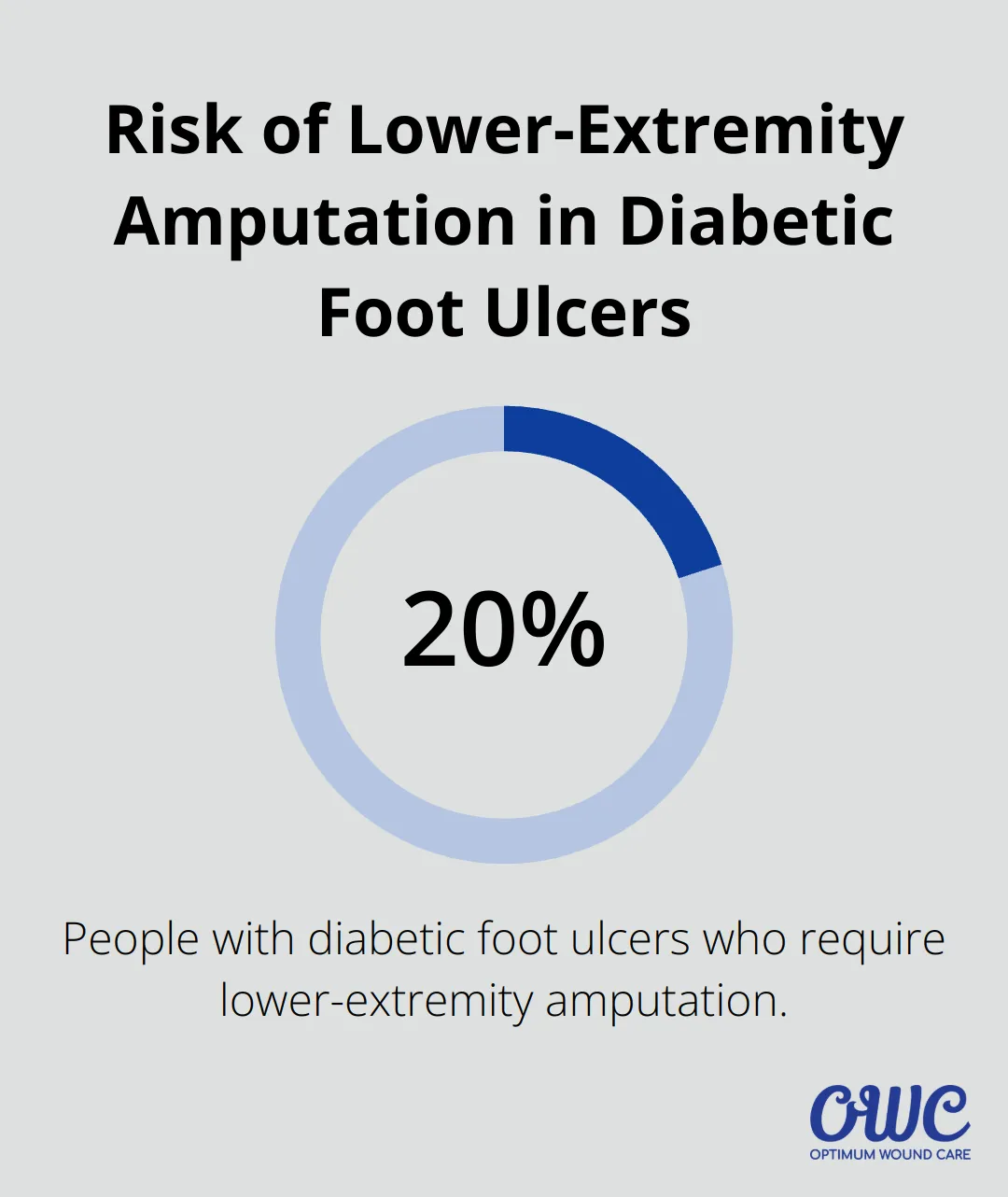
These symptoms demand immediate attention. Approximately 20% of people who develop a diabetic foot ulcer will require lower-extremity amputation, underscoring the importance of early intervention.
Skin Changes
Pay close attention to the skin around your wound. Any discoloration, such as darkening or redness, could indicate poor circulation or the onset of infection. Texture changes like hardening or softening of the surrounding skin are also red flags. These changes often require specialized assessment and treatment plans that go beyond basic wound care.
Sensory Alterations
Numbness, tingling, or burning sensations in the affected area or extremity can signal nerve damage (neuropathy) or compromised circulation. These symptoms occur particularly often in diabetic foot ulcers. Diabetic peripheral neuropathy (DPN) can lead to significant complications ranging from paresthesia to loss of limb and life. If you experience these sensations, especially in conjunction with a wound, you should seek specialist care promptly.
Advanced Diagnostic Tools
Wound care specialists utilize advanced diagnostic tools to assess circulation and nerve function. These tools allow them to develop targeted treatment strategies for complex cases. Expert management of diabetic wounds has helped numerous patients avoid severe complications through early and appropriate intervention.
With diabetic wounds, it’s always better to err on the side of caution. If you’re unsure about the severity of your wound or if you notice any of these signs, don’t hesitate to reach out to a wound care specialist. Early professional assessment and treatment can significantly improve healing outcomes and prevent potentially life-altering complications. In the next section, we’ll explore the specific benefits of seeing a wound care specialist in Louisville.
Why Choose a Wound Care Specialist in Louisville?
Advanced Treatment Options
Wound care specialists in Louisville employ cutting-edge technologies and treatments not typically available in general practice settings. Optimum Wound Care (OWC Center) offers advanced therapies such as specialized debridement techniques and negative-pressure wound therapy. These treatments accelerate healing, reduce infection risk, and improve overall outcomes for patients with complex diabetic wounds.
Personalized Care Plans
Every diabetic wound requires a unique approach. Wound care specialists develop individualized care plans based on a comprehensive assessment of your wound, overall health, and lifestyle factors. At OWC Center, Family Nurse Practitioner and Wound/Ostomy Specialist Mosayeb “Moe” Karimi, MSN, FNP, WOC, leads a team that combines clinical expertise with patient-focused care to create tailored treatment strategies.
Expertise in Complex Cases
Diabetic wounds present challenges, especially when complications arise. Specialists possess the knowledge and experience to handle even the most complex cases. They stay updated on the latest research and best practices in wound care, ensuring you receive the most effective treatment available. This expertise proves particularly valuable for Louisville residents dealing with stubborn or recurring diabetic wounds.
Multidisciplinary Approach
Effective wound care often requires collaboration among various healthcare providers. Wound care specialists in Louisville (such as those at OWC Center) work closely with other medical professionals, including endocrinologists, vascular surgeons, and podiatrists. This collaborative approach ensures comprehensive care that addresses not just the wound itself, but also underlying health conditions that may impact healing.
Improved Healing Rates
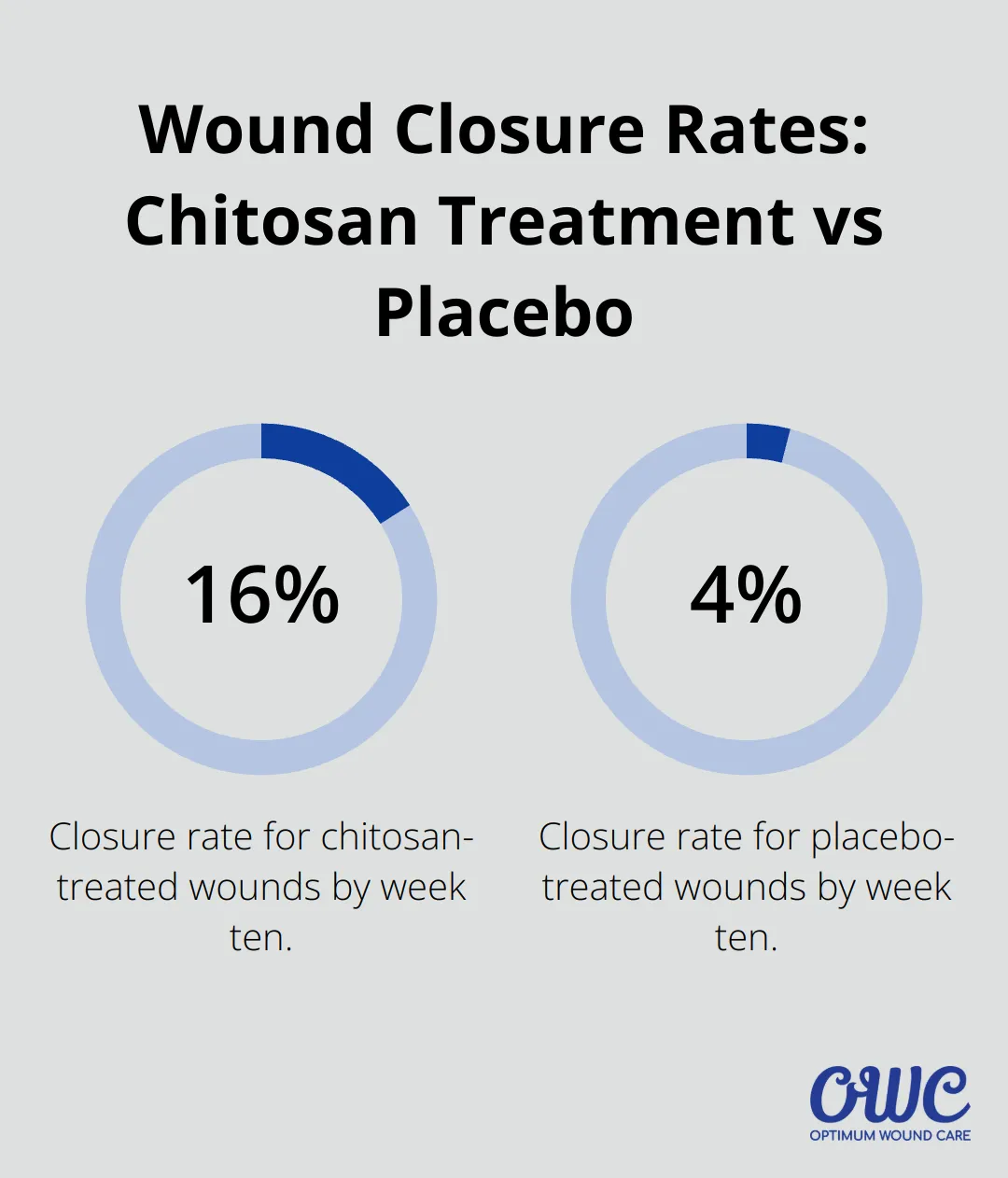
One compelling reason to see a wound care specialist is the potential for faster healing and better outcomes. A study published in the Journal of Wound Care found that chitosan-treated wounds achieved a 16.7% closure rate by week ten, significantly higher than the 4.2% closure observed in the placebo group. This translates to quicker recovery, reduced risk of complications, and improved quality of life for patients dealing with diabetic wounds.
Final Thoughts
Diabetic wounds require vigilant care and prompt attention. Several key indicators signal the need for specialist intervention, including wounds that don’t improve after two to three weeks, signs of infection, changes in skin color or texture, and numbness in the affected area. Early intervention proves essential when dealing with diabetic wounds in Louisville (it can prevent complications, reduce healing time, and improve quality of life).
Optimum Wound Care (OWC Center) specializes in treating complex diabetic wounds for patients in Louisville. Our team offers advanced treatment options and personalized care plans tailored to each patient’s unique needs. We use cutting-edge technologies and collaborate with other healthcare providers to ensure comprehensive care.
Your health is our priority, and we stand ready to support you. For expert care and personalized treatment plans for diabetic wounds in Louisville, visit OWC Center. Our team will help you heal faster and regain your quality of life.
