

How Sleep Affects Wound Healing and Recovery
You clean the wound. You apply the dressing. You follow instructions.
Still not healing?
The missing piece might not be a new ointment. Or even another treatment.
It might be sleep.
Sleep isn’t just rest. It’s a reset. A reboot. A recovery accelerator.
According to NIH research, sleep plays a critical role in immune response and cellular regeneration—two of the most important processes in wound healing.
But we live in a world that undervalues rest. Especially when we’re sick or injured. Ironically, that’s when we need it most.
At OWC Center, we see it all the time.
Patients doing everything right—except sleeping. And the wound lingers. Pain sticks around. Infections creep in.
Why? Because sleep is the only time your body goes into full repair mode.
Wounds heal slower when the body’s running on empty. And your immune system? It can’t run on coffee and willpower alone.
The CDC points out that adults need at least 7 hours of sleep for optimal function. But when recovering from an injury or surgery, your body may need more. A lot more.
The secret to healing might just be lights out.
⚖️ Rest: The First Prescription for Wound Recovery
You can have the best wound care plan in the world—but without rest, recovery stalls.
During deep sleep (especially slow-wave sleep), your body produces human growth hormone (HGH). This hormone isn’t just for kids. It’s what helps regenerate skin, rebuild tissue, and form new blood vessels around wounds.
Sleep also reduces cortisol, a stress hormone that delays wound healing when levels remain high. Chronic stress, common among patients with slow-healing wounds, can keep the body in a fight-or-flight mode rather than a rest-and-repair state.
Why Is Rest So Often Overlooked?
- Modern distractions (screens, noise, late meals)
- Pain or discomfort at night
- Stress, anxiety, or fear about healing
If you or a loved one is facing these barriers, we can help. Our team provides personalized guidance, from pain relief plans to sleep-friendly wound dressings.
Additional Tips for Rest:
- Set a calming bedtime ritual
- Elevate the affected area
- Avoid stimulants before bed
- Adjust lighting to support melatonin production
⚡ Immune Support Begins with Sleep
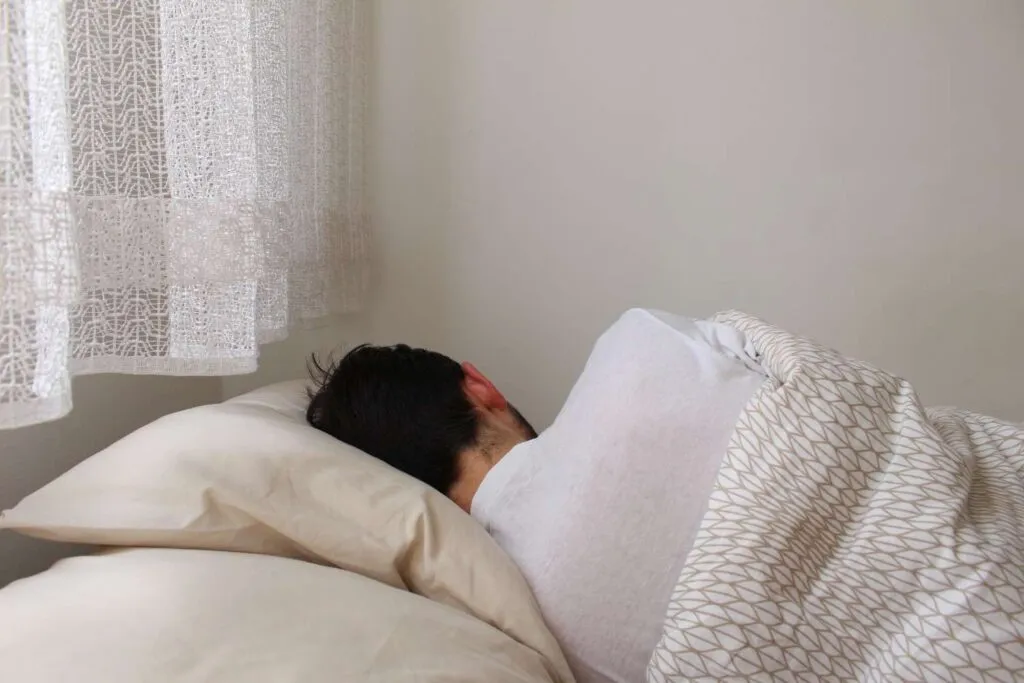
The immune system is your body’s defense force. And it works the night shift.
Sleep strengthens the immune system in three critical ways:
- Boosts white blood cell activity: T-cells, macrophages, and NK cells are more efficient after deep sleep.
- Improves cytokine production: These proteins help regulate inflammation and immune response around wounds.
- Reduces systemic inflammation: Less sleep equals more inflammation—a known barrier to healing.
According to research, people who consistently sleep less than 6 hours per night are more prone to illness and slower recovery.
In wound healing, that matters a lot.
An infected wound delays recovery and can lead to complications like cellulitis or sepsis. But quality sleep helps keep harmful bacteria at bay.
How to Tell If Poor Sleep Is Affecting Immunity:
- You’re getting frequent infections
- Your wound stays red, inflamed, or weepy
- You’re constantly fatigued despite resting
✨ Tissue Regeneration Needs the Night Shift
Tissue regeneration is where healing becomes visible. Scab formation. Skin rebuilding. Reduced redness.
But all of this hinges on sleep-driven growth hormone activity and collagen synthesis.
Collagen is the protein responsible for new skin formation. And sleep deprivation suppresses its production. When patients don’t sleep well, even minor wounds can take weeks to heal.
Ways Sleep Impacts Tissue Regeneration
- Collagen Synthesis: Sleep promotes fibroblast activity—these are the cells that make collagen.
- Angiogenesis: Deep sleep helps form new blood vessels that supply oxygen to the wound.
- Epithelialization: Skin cells multiply and migrate over the wound bed more rapidly during recovery sleep.
5 Signs Your Tissue Regeneration May Be Delayed by Poor Sleep:
- Wound remains open or slow to close
- Persistent swelling or bruising
- New skin is thin or fragile
- Pain doesn’t subside with dressing
- Frequent re-opening of healing site
🙏 Caregiver Support: Creating a Healing Sleep Environment
For many of our patients, especially older adults or those with chronic illness, sleep hygiene depends on a caregiver’s support.
Caregivers can help reduce wound complications and improve sleep with just a few changes:
5 Simple Ways Caregivers Can Support Healing Sleep:
- Create a calming bedtime routine: Soft music, dim lights, no screens
- Manage dressing changes early: Reduce discomfort before bedtime
- Support with mobility needs: Prevent pain or falls overnight
- Adjust pillows and bedding: Reduce pressure and friction
- Watch for signs of pain or sleep apnea: These often go unnoticed
Even the most advanced wound treatments can fall short if the body is too tired to respond. Sleep isn’t just a passive state—it’s when your healing systems are working hardest. Deep rest fuels everything from immune defense to collagen production, helping your skin regenerate, inflammation subside, and infection risks drop. It’s no surprise then that patients who prioritize sleep often see faster, more complete recovery.
Yet restful sleep doesn’t come easy for everyone—especially those dealing with wound pain, stress, or nighttime caregiving needs. That’s why personalized care matters. Whether it’s adjusting your sleep position, timing your pain relief, or building a calming routine, small steps at night can bring big progress by morning.
At OWC Center, we help you create a healing environment both inside and out. Because when the lights go out and the body finds rest, real recovery begins.
Key Takeaways.
1. Quality sleep is essential for tissue repair and wound closure.
During deep sleep, your body produces growth hormone—critical for tissue regeneration, new blood vessel formation, and collagen synthesis. If you’re experiencing slow healing, disrupted sleep may be a missing link.
👉 Explore Our Wound Healing Services
2. Sleep helps your immune system protect and repair.
Sleep enhances the activity of T-cells, natural killer cells, and cytokines—all vital for fighting infection and controlling inflammation around wounds. When sleep suffers, immunity weakens
3. Small bedtime changes can lead to big healing improvements.
Whether it’s elevating the wound area, using timed pain relief, or creating a calming sleep routine, even simple strategies can enhance overnight healing. Our team offers customized pain and comfort solutions to support restful sleep.
4. Caregivers play a vital role in promoting restful recovery.
From managing bedtime routines to helping with mobility and comfort, caregivers are key partners in healing. We provide tools, training, and checklists to help caregivers support restful sleep and optimal care.
5. Healing doesn’t just happen during the day—it happens when you sleep.
Rest is not optional in wound recovery—it’s part of the treatment. At OWC Center, we help patients look beyond the wound and address lifestyle factors like sleep, stress, and nutrition to unlock full-body healing.
5 Related Questions Asked and Answered
1. How exactly does sleep help wounds heal faster?
Sleep supports nearly every system involved in recovery, from hormone regulation to immune response.
Here’s what happens during sleep:
- Tissue Regeneration: During deep sleep (slow-wave sleep), the body produces growth hormone. This hormone plays a major role in rebuilding tissue and forming new blood vessels around the wound.
- Reduced Inflammation: Rest allows your body to downregulate stress hormones like cortisol, which can delay healing when chronically elevated.
- Immune System Reset: Immune cells like T-cells and natural killer cells become more active during sleep, boosting your body’s ability to fight infections around a wound.
In contrast, sleep deprivation slows healing. Research shows even partial sleep loss can reduce collagen production and increase inflammation—both of which hurt your progress.
If you’re under our care, we’ll not only treat your wound but also guide you in improving your sleep hygiene. This could include evening wound care routines, pain management options, or adjustments to medication that might be interfering with sleep.
🔗 Explore our Comprehensive Wound Recovery Plans
2. What happens to the immune system when we don’t get enough rest?
Your immune system needs sleep to function at full capacity. Without it, wounds are more vulnerable to infection, and the entire healing timeline slows.
When sleep is compromised:
- White blood cells become less efficient, especially the ones that kill harmful bacteria.
- Chronic inflammation increases, making it harder for tissue to repair and seal.
- Cytokine production (infection-fighting proteins) is thrown off balance, weakening immune response.
Think of your immune system as a 24/7 security team. When you sleep, you’re not “shutting down”—you’re recharging the guards so they can do their job better. That’s especially important for wound healing, which requires the right balance of inflammation and recovery to progress smoothly.
If sleep issues are a concern, the OWC Center team can help coordinate with your primary care doctor or sleep specialist to identify solutions, from natural remedies to medically-supported therapies.
3. How can I improve my sleep while managing wound pain or discomfort?
We understand how hard it can be to rest when you’re in pain. But even small changes in your bedtime routine can lead to deeper, more restorative sleep.
Here are some patient-tested tips:
- Optimize your sleep position: Elevating the affected area can reduce swelling and improve circulation.
- Create a wind-down routine: A warm compress or guided meditation can cue your body that it’s time to rest.
- Use wound-friendly pain relief: Topical anesthetics or timed-release medications can be planned to reduce nighttime pain.
- Limit blue light and stimulants before bed: Avoid screens, caffeine, and heavy meals 2–3 hours before bedtime.
OWC Center wound specialists are trained to personalize wound dressing and care strategies that improve your comfort during rest, because better sleep leads to better outcomes.
4. Can poor sleep actually make a wound worse or lead to complications?
Yes—chronic sleep deprivation can complicate wound healing, especially in patients with underlying health conditions like diabetes or vascular issues.
Here’s how:
- Delayed epithelialization: Sleep loss reduces the skin’s ability to grow over the wound.
- Poor blood circulation: Less restorative sleep affects vascular tone and can limit oxygen and nutrient delivery to the wound site.
- Increased infection rates: A sluggish immune response from poor sleep gives bacteria more time to multiply.
Studies have linked poor sleep to longer hospital stays and higher rates of wound dehiscence (re-opening). If you’re noticing that your wound is staying the same—or getting worse—sleep may be a missing piece of the puzzle.
Our care plans include reviewing lifestyle factors like sleep, stress, and nutrition—not just the wound itself. Healing happens faster when we treat the whole person.
5. What can caregivers do to support better sleep in someone with a chronic wound?
Caregivers play a huge role in promoting rest and comfort—especially for patients who are elderly, immobile, or dealing with anxiety about their condition.
Here’s how caregivers can help:
- Set up a calm nighttime routine: Dim lights, calming music, and predictable bedtime rituals can ease restlessness.
- Manage dressing changes wisely: Schedule them earlier in the evening to avoid discomfort close to bedtime.
- Support with mobility or bathroom needs to reduce overnight disruptions.
- Watch for signs of sleep apnea or nighttime pain, and report them to the care team for adjustments.
At OWC Center, we work directly with caregivers—offering education, checklists, and even sleep positioning strategies that make rest more achievable.
