Best Practices for Treating Wounds in Underserved Communities
The Reality of Wound Care Access in Underserved Communities
It starts small. A blister. A scrape. A cut.
You cover it. You wait.
But nothing happens. It stays red. Swollen. It hurts more each day.
For many in underserved communities, this is reality.
Something that should heal doesn’t. And it’s not just about the wound.
It’s about access.
People living in rural towns. Inner-city neighborhoods. Low-income zip codes.
They face limited access to specialists, unreliable transportation, and long waitlists. These barriers can turn treatable wounds into chronic conditions.
According to NIH, social determinants of health—such as income, education, and transportation—play a direct role in wound healing outcomes.
This isn’t just frustrating. It’s dangerous.
Especially for patients with diabetes, vascular disease, or weakened immune systems.
In fact, a CDC report shows that chronic conditions are significantly more common in underserved populations, increasing the risk for wound complications.
When care is delayed or inaccessible, wounds become gateways to infection, hospitalization, and in severe cases, amputation.
So what’s the solution?
It’s not one thing. It’s a system.
A web of outreach, equity, community, and empathy.
Let’s explore the best practices that make healing possible—everywhere.
Reducing Healthcare Disparities Through Equitable Wound Care
When we talk about wound care, we often talk about treatment plans, dressing types, or technology. But real healing starts with removing barriers.
Culturally Sensitive Communication
You can’t heal what you don’t understand. That’s why communication is key. Medical language must be translated—literally and figuratively. Patients need clear, simple, and culturally respectful explanations of their condition and treatment options.
At OWCCenter, we provide multilingual materials and work with interpreters when needed. We train our providers in cultural awareness to ensure every patient feels respected and heard.
Financial Access to Care
Cost is one of the greatest obstacles to wound care access. Many patients in underserved areas are uninsured or underinsured. We offer flexible payment plans, help patients navigate Medicaid or Medicare, and accept most insurance plans.
Understanding Social Determinants of Health
A patient’s environment, income level, education, and transportation impact their ability to heal. Our team incorporates this data into each treatment plan, tailoring our care to the full picture of a patient’s life.
🔗 Learn more about our Advanced Wound Care Services
Outreach Programs That Bridge the Gap in Wound Care Access
Reaching people where they are is essential—especially when they can’t reach us.
Mobile Wound Clinics
Mobile clinics bring advanced care directly to high-need areas. Equipped with tools for assessment, debridement, and dressing, these units eliminate transportation barriers and ensure early intervention.
Telemedicine Follow-Ups
Virtual follow-ups reduce missed appointments. They’re especially helpful for patients with mobility issues, caregiving responsibilities, or chronic illness.
Community Health Worker Initiatives
Community health workers are local, trained advocates who visit patients, monitor wounds, and offer education. Their presence builds trust and continuity.
Health Fairs and Screenings
Pop-up screenings in churches, schools, and community centers can detect wounds early—before they become complex.
📍 Explore our Community-Based Wound Assessments
Building Strong Community Partnerships to Expand Access
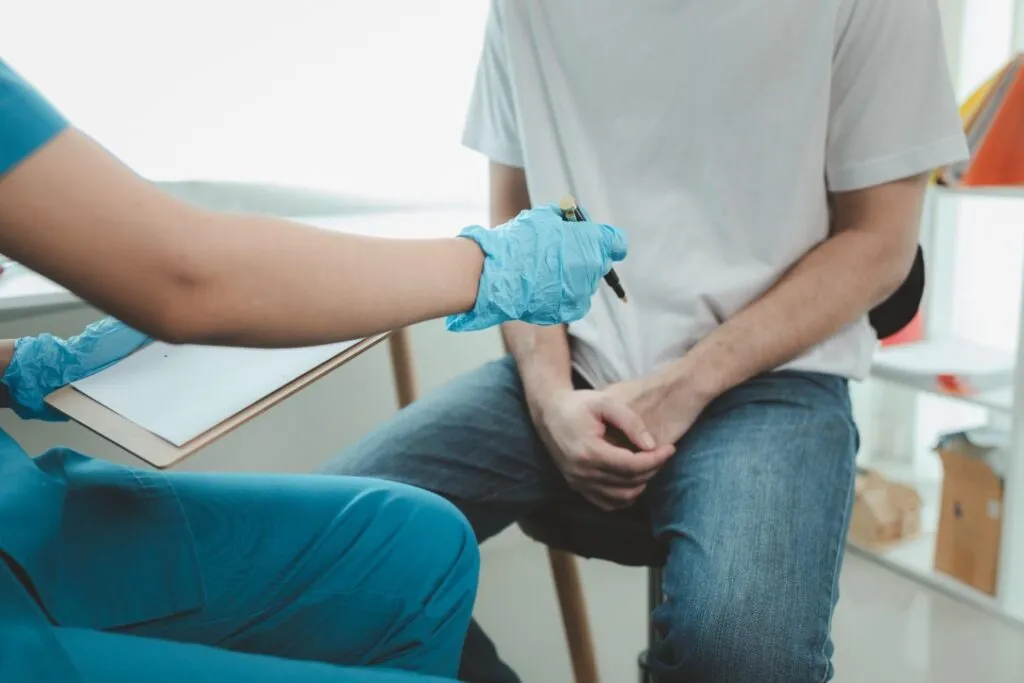
A clinic can’t do it all alone. That’s where partnerships come in.
Working with local providers, nonprofits, and home health agencies ensures no patient falls through the cracks.
Local Partnerships Help By:
- Identifying patients early
- Sharing treatment data for coordinated care
- Extending follow-up and education into the home
- Supporting caregiver training
Collaborations with Churches and Faith-Based Organizations
These groups are often the heart of underserved neighborhoods. Partnering with them opens doors, builds trust, and improves follow-through.
School Nurses and Public Health Departments
Early interventions in children with wounds—from playground injuries to chronic conditions—can prevent complications. Schools are often the first line of defense.
🔗 Refer a Patient to OWCCenter
What Patients in Underserved Areas Should Know About Their Options
Many don’t realize they have choices.
You Don’t Need to Wait for a Hospital Emergency
If your wound hasn’t improved in two weeks, see a specialist.
Ask for a Referral
Your primary care provider or local clinic can refer you to OWCCenter. We’ll handle the rest.
Explore Services That Come to You
Ask about mobile wound care, transportation options, or virtual visits.
Bring Someone with You
Caregivers and family can help you remember instructions and provide emotional support.
Advocate for Your Health
Your wound deserves attention—no matter your background or bank account.
📞 Schedule Your First Appointment
Access to proper wound care shouldn’t depend on your ZIP code—but for many in underserved communities, it still does. The path to healing becomes longer, more painful, and often more dangerous simply because resources are limited or out of reach.
By bringing care directly to where people live, offering virtual support, and creating strong community partnerships, clinics like OWC Center help close the gap. Whether it’s a mobile clinic parked outside a church, a health worker checking in at home, or a telehealth visit that saves a trip across town—these small acts create lasting change.
For patients, knowing they have options is everything. A delayed wound doesn’t have to turn into a crisis. A missed appointment doesn’t mean the end of progress. With outreach, education, and compassion, healing becomes possible—not just for the privileged, but for everyone.
At its core, this is more than just medicine. It’s a movement toward fairness. It’s a commitment to every patient, no matter where they live, work, or heal. And it starts by meeting people not just where their wounds are—but where their lives are.
Key Takeaways
Access to care should never be a privilege—it’s a right.
No one should suffer from a wound simply because of where they live. At OWC Center, we bring Advanced Wound Care to patients in underserved communities through mobile units, telemedicine, and accessible clinic services—ensuring that healing is always within reach.
Outreach programs save limbs, lives, and hope.
Mobile wound care, telehealth follow-ups, and community health workers aren’t extras—they’re essentials. These Outreach Services connect patients with care before wounds become emergencies, reducing complications and improving recovery outcomes.
Health equity begins with understanding.
Reducing healthcare disparities means recognizing the real-life challenges patients face—from language barriers to financial stress. Our team incorporates Culturally Sensitive Care into every visit, ensuring that patients feel seen, heard, and supported throughout their healing journey.
Community partnerships are the backbone of sustainable healing.
We work hand-in-hand with local clinics, churches, schools, and caregivers to extend care beyond clinic walls. By building Collaborative Wound Care Networks, we ensure continuity, education, and compassion every step of the way.
Every patient deserves to know their options.
You don’t need to wait until it gets worse. Whether you’re dealing with a diabetic ulcer or a non-healing wound, you have options. Talk to your provider or Schedule an Appointment today to explore outpatient services, transportation support, or virtual care designed just for you.
5 Related Questions Answered
1. Why do underserved communities face higher risks for chronic wounds?
In many underserved communities, people struggle to get basic healthcare—let alone advanced wound care. These gaps can lead to minor cuts becoming serious, slow-healing wounds.
Key reasons include:
- Limited access to specialists: Many areas lack wound care clinics or specialists.
- Transportation issues: Patients may not have reliable transportation to get to appointments.
- Chronic conditions: Conditions like diabetes and vascular disease are often unmanaged due to limited healthcare access.
- Lack of health education: People may not know the signs of a serious wound—or when to seek help.
At OWC Center, we believe no one should suffer from preventable or treatable wounds due to where they live. That’s why we support local partnerships and community-based care initiatives that bridge these gaps.
🔗 Explore our Diabetic Ulcer Care Services
2. What are the most effective outreach programs for improving wound care access?
Outreach isn’t just about information—it’s about action.
Effective outreach strategies include:
- Mobile wound care units: These bring advanced care to patients’ doorsteps.
- Telemedicine follow-ups: A lifeline for patients with mobility or transportation challenges.
- Community health worker programs: Trusted locals trained to monitor wounds and educate neighbors.
- Health fairs and screening events: Great for early detection and education in high-risk areas.
OWC Center is committed to outreach that meets patients where they are—physically and emotionally. Building trust is just as important as providing care.
3. How can we reduce healthcare disparities in wound management?
Reducing disparities starts with understanding why they exist. Then, we build solutions that remove barriers.
Best practices for equity-focused wound care include:
- Culturally sensitive communication: Patients are more likely to engage when they feel respected and understood.
- Flexible payment and insurance options: Cost should never stand between a patient and healing.
- Translation services and multilingual materials: Language should never be a barrier to care.
- Training providers in social determinants of health: This improves empathy and care planning.
At OWC Center, we integrate these principles into every patient encounter—ensuring that care is not only advanced but also equitable.
🔗 See our Advanced Wound Care Services
4. What role do local clinics and community partners play in wound care access?
A well-connected network of local support can make or break a healing journey.
Community partnerships help by:
- Identifying patients early: Primary care and home health providers can catch wounds before they worsen.
- Sharing resources: Clinics can refer patients to specialists like OWCCenter and vice versa.
- Providing continuity: After acute care, local providers help monitor healing progress.
- Empowering caregivers: Community partners can educate family members to support healing at home.
We’re proud to collaborate with local health teams, churches, and nonprofits throughout Louisville to extend our reach and healing impact.
5. What should patients in underserved communities know about their wound care options?
Many patients don’t realize they do have options.
Important tips for patients:
- Don’t ignore small wounds. Especially if you have diabetes or poor circulation.
- Ask your doctor for a wound care referral. You may be eligible for outpatient services like ours.
- Look for clinics that offer transportation or telehealth.
- Bring a family member or caregiver to appointments. Extra support makes a big difference.
- You have a right to care. Don’t be afraid to ask questions or advocate for yourself.
At OWCCenter, we’re here for every patient, every step—regardless of background, ZIP code, or income level.
🔗 Schedule Your First Appointment
