
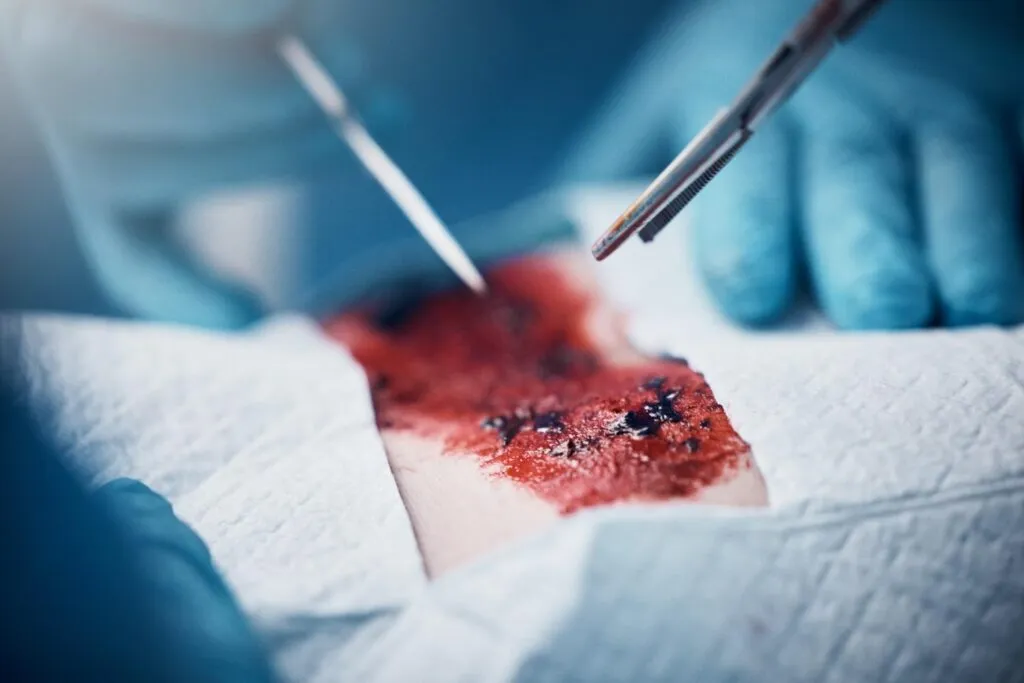
Why Chronic Infections Delay Wound Healing
You’re treating your wound. Carefully. Consistently. But weeks pass—and nothing changes.
Still red. Still draining. Still painful.
You’re doing everything right… so why isn’t it healing?
The answer might be chronic wound infections.
This isn’t just an infection. It’s an infection that overstays its welcome. That settles deep. That fights back.
And it’s more common than you think. Up to 60% of chronic wounds are estimated to harbor bacterial biofilm, according to this NIH study.
Biofilms are the body’s unwanted house guests—making it harder for antibiotics and immune cells to do their job.
Even worse? Your immune system may already be worn out. Conditions like diabetes, cancer, or autoimmune disorders weaken your defenses. The result? A wound that refuses to close.
If this sounds familiar, you’re not alone. Many patients at OWC Center come to us after months of stalled healing.
And in most of those cases? Chronic infection is to blame.
Let’s break down exactly what that means—and what you can do about it.
Bacterial Biofilm – The Invisible Barrier
You clean your wound. You apply dressings. But behind the scenes, something stubborn lingers.
That something is a bacterial biofilm.
What is it?
A biofilm is a slimy, protective layer that bacteria create to shield themselves. Imagine a group of microbes building a fortress—right on your wound.
- It’s resistant to antibiotics
- It blocks immune cells
- It slows tissue regeneration
How does it form?
Once bacteria enter a wound, they settle, multiply, and secrete sticky substances. These form a film that binds to the wound surface—locking the infection in.
Biofilms aren’t just stubborn—they’re sneaky. According to Johns Hopkins Medicine, biofilms reduce antibiotic effectiveness by up to 1000 times. That’s why even well-treated wounds may not heal if a biofilm is present.
What can be done?
At OWC Center, we use advanced therapies such as:
- Enzymatic debridement to break down biofilm
- Topical antimicrobials tailored to resistant strains
- Negative pressure wound therapy to draw out infection
To see how we integrate these tools into custom treatment plans, explore our Advanced Wound Care page.
Immune Suppression – The Hidden Factor
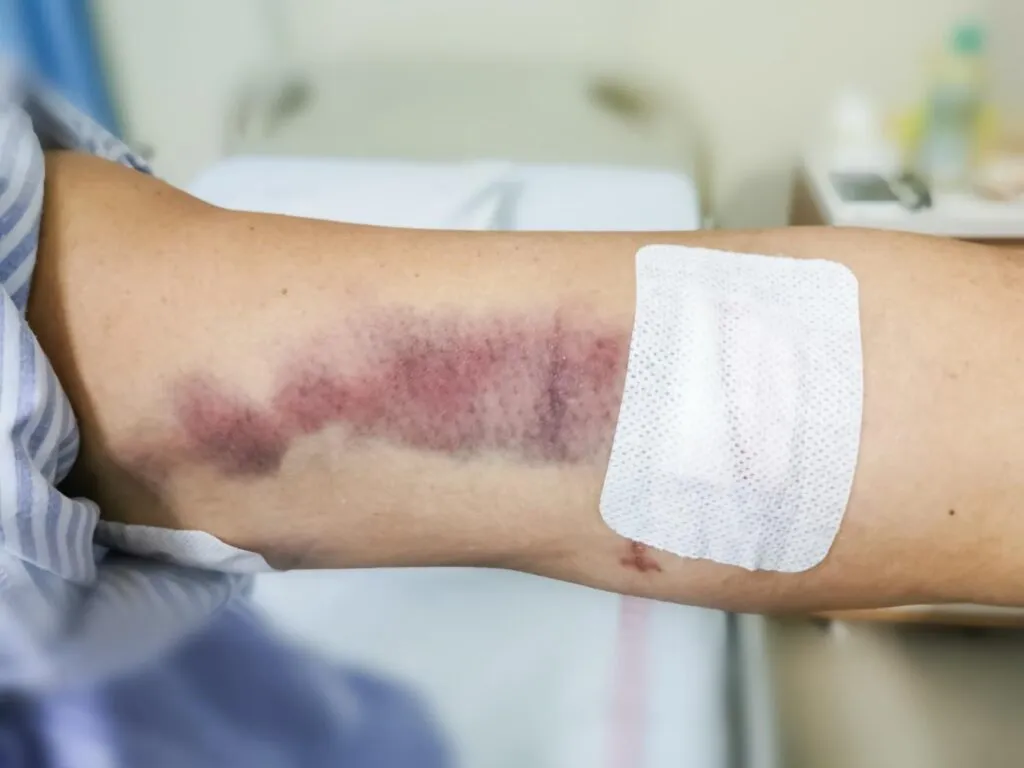
Even the best treatments won’t work if your body can’t respond.
This is where immune suppression comes in.
Why it matters
Your immune system is the front line of wound healing. White blood cells attack bacteria. Platelets patch tissue. But when your immune system is compromised—due to age, illness, or medication—those responses slow down.
Common causes of immune suppression:
- Diabetes
- Chemotherapy
- Long-term steroid use
- Autoimmune diseases (e.g., lupus)
- Aging
Impact on wounds
- Delayed healing timelines
- Increased infection risk
- Reduced tissue oxygenation
Even something like poor nutrition can reduce immune efficiency, making wound healing an uphill battle. That’s why our Comprehensive Wound Assessments look at the whole patient—not just the wound.
A CDC resource confirms that diabetes significantly increases the risk of chronic infections. With immune suppression, small wounds can become serious very quickly.
Signs of a Chronic Wound Infection – What to Look For
If your wound hasn’t healed after 4–6 weeks, it may be infected chronically.
Here are the warning signs:
- Delayed healing with no visible improvement
- Recurring redness or swelling
- Foul-smelling drainage
- Dark, sloughy tissue
- Increased tenderness or pain
Less obvious signs include:
- Excessive wound moisture
- Thickened wound edges
- Increased fatigue or low-grade fever
Pro tip: Take photos of your wound weekly. Compare them. If there’s no improvement—or if things look worse it’s time to act.
OWCCenter offers in-depth diagnostics including wound swabs, imaging, and culture testing. These help pinpoint the type of bacteria and determine if a biofilm is present.
Also read: How to talk to your doctor about wound symptoms
How OWC Center Treats Chronic Wound Infections Differently
We don’t just treat wounds. We outsmart infections.
At OWC Center, we take a multidisciplinary approach to wound care. Our team includes:
- Wound care specialists
- Nurses trained in biofilm management
- Nutritionists and immune health advisors
Here’s how we approach chronic wound infections:
- Biofilm Disruption
Using enzymatic and autolytic debridement techniques to physically and chemically break up biofilm layers. - Targeted Antimicrobial Therapy
After identifying the specific bacteria involved, we apply custom topical solutions or prescribe appropriate antibiotics. - Immune Support Plans
Integrating dietary, supplemental, and medical strategies to improve immune response. - Advanced Dressing Techniques
Including negative pressure wound therapy and oxygen-enhancing wraps to speed up healing. - Ongoing Monitoring
Weekly evaluations, progress photos, and digital records to track healing and adjust care quickly.
Living with a wound that refuses to heal can be frustrating, even frightening. When days stretch into weeks and progress stalls, it’s easy to feel discouraged. But if there’s one thing we know at OWCCenter, it’s this: persistent wounds are rarely just about the surface.
Behind that redness, that lingering soreness, that drainage that won’t stop—there’s often a deeper issue at play. Chronic wound infections, often protected by bacterial biofilm and worsened by immune suppression, silently sabotage the healing process. These aren’t just small setbacks. They’re barriers that can’t be overcome with standard wound care alone.
That’s why our approach goes beyond the basics. We treat the whole person—digging into the cause, understanding the immune system’s role, and creating personalized, evidence-based care plans that target infection at its root. We know how to spot what others might miss. And more importantly, we know how to help you heal.
Because when it comes to chronic wounds, the difference between frustration and recovery often comes down to finding the right team—and the right plan. At OWCCenter, we’re here to make sure you don’t face it alone.
Key Takeaways
1. Chronic wound infections don’t always show obvious signs—look for slow healing and subtle changes.
Not all infections come with fevers or sharp pain. If your wound has been lingering for weeks without noticeable improvement, it could be a sign of a chronic infection. At OWC Center, our Comprehensive Wound Assessments help identify hidden causes and create a path forward.
- Bacterial biofilm acts like a shield, blocking your body’s ability to heal.
Even when you clean your wound and apply medications, a biofilm can protect bacteria underneath. These invisible layers require special treatment to break down. Our Advanced Wound Care options include biofilm-disrupting therapies to give your body a fair chance at recovery. - A weakened immune system may be the reason your wound isn’t healing.
Diabetes, chemotherapy, aging, and chronic steroid use can all suppress your immune response. That’s why we evaluate the full picture—including your immune health—during every Comprehensive Wound Assessment. Healing is about more than just the wound itself. - Recognizing early signs of chronic infection can prevent long-term complications.
Don’t wait for a crisis. Signs like recurring redness, foul-smelling drainage, or increased tenderness are reasons to seek help. Our wound care team uses advanced diagnostics, including swabs and imaging, to pinpoint infections early. - OWC Center offers personalized solutions—not one-size-fits-all care.
Chronic wounds need more than generic dressings. We offer targeted therapies, nutritional support, and immune-boosting strategies to treat the root cause—not just the symptoms.
✅ 5 Related Questions Asked and Answered
1. What is a chronic wound infection, and how is it different from an acute one?
A chronic wound infection occurs when a wound fails to heal normally due to the persistent presence of harmful bacteria. Unlike acute infections, which the body typically clears within days or weeks, chronic infections linger—causing ongoing inflammation, pain, and delayed healing.
Key differences:
- Chronic infections persist for 4–6 weeks or longer.
- They may present subtle symptoms like slow healing, low-grade swelling, or recurring redness.
- A chronic wound may form a bacterial biofilm, a protective layer that shields bacteria from antibiotics and immune cells.
At OWC Center Advanced Wound Care Clinic, we specialize in identifying and treating these infections using advanced techniques, including wound cultures, targeted therapies, and biofilm-disrupting dressings.
2. What is a bacterial biofilm, and why does it matter in wound care?
A bacterial biofilm is a slimy, glue-like layer that bacteria form on a wound surface. Think of it as a bacterial “shield” that makes the infection much harder to treat.
Why it matters:
- Blocks antibiotics: Standard treatments often can’t penetrate the biofilm.
- Triggers immune suppression: The body’s immune system gets “worn down” trying to fight it.
- Delays healing: Biofilms keep the wound stuck in the inflammatory phase.
Signs of biofilm-related wounds:
- The wound seems to improve, then worsens again.
- Excess moisture, slough, or odor.
- Foul-smelling drainage despite proper care.
At OWC Center, our providers use specialized dressings and debridement techniques to break through biofilm and give the body a chance to heal.
3. How does immune suppression affect wound healing?
Your immune system plays a key role in wound recovery. When it’s suppressed—whether due to illness, medication, or age—it struggles to fight infection and support tissue repair.
Here’s how immune suppression impacts wounds:
- Fewer white blood cells are available to fight off bacteria.
- Delayed inflammation resolution, which prevents tissue rebuilding.
- Higher risk of chronic infections, including hard-to-treat pathogens.
Common causes of immune suppression:
- Diabetes
- Cancer treatments (like chemotherapy)
- Chronic steroid use
- Advanced age
That’s why our Comprehensive Wound Assessments include a review of each patient’s overall immune function—so we can tailor the care plan to fit their unique needs.
4. What are signs that my wound may be infected chronically?
Chronic infections often sneak under the radar. Unlike sudden, obvious symptoms of acute infection (like a fever or severe pain), chronic wound infections show gradual or recurring issues.
Watch for these signs:
- Slow healing—weeks go by without noticeable improvement.
- Persistent redness or swelling
- Foul-smelling discharge
- Recurring pain or tenderness
- Dark, sloughy tissue or excessive moisture
If you’ve been treating your wound for over 4 weeks with no improvement, it’s time for a professional evaluation. At OWC Center, we perform deep-dive assessments to uncover the root cause of your delayed healing and offer solutions backed by the latest science.
5. How does OWC Center treat chronic wound infections differently?
At OWC Center, we go beyond basic wound care. Our evidence-based, multidisciplinary approach helps patients with chronic wound infections heal faster and more fully.
Here’s what sets our care apart:
- Biofilm disruption techniques: We use enzymatic debridement, negative pressure wound therapy, and topical antimicrobials to weaken and remove bacterial shields.
- Customized treatment plans: Each wound is evaluated based on cause, immune status, and infection type.
- Advanced technology: Tools like wound imaging and diagnostic swabs help us target treatment precisely.
- Patient education: We teach you how to care for wounds at home, manage underlying conditions, and prevent reinfection.
You don’t have to live with a wound that won’t heal. Schedule an evaluation and take the first step toward recovery.
