
The Impact of Seasonal Allergies on Skin and Wounds
Pollen. Pressure. Pain.
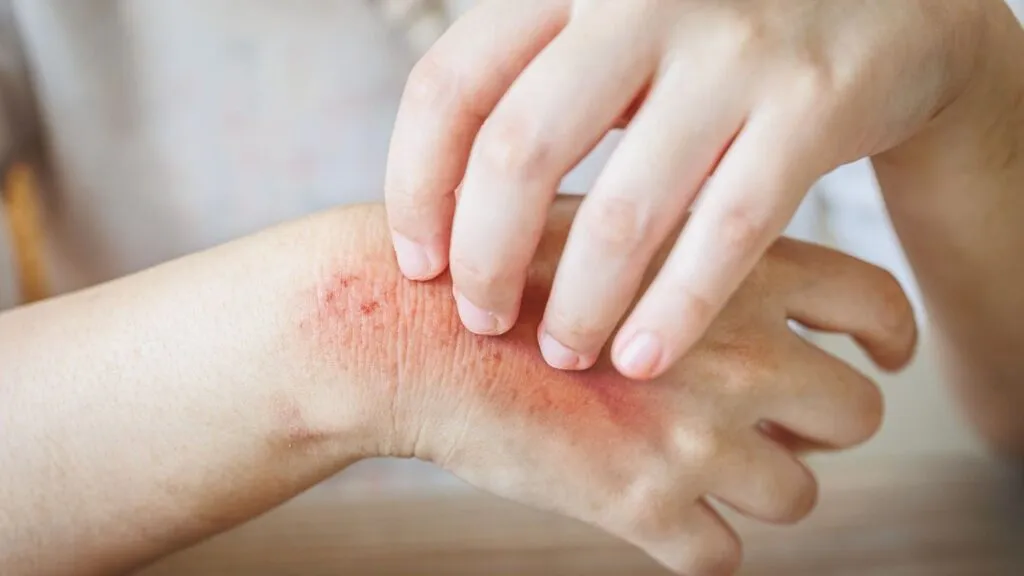
It starts with a sneeze. Then the watery eyes. Then the itch that won’t stop. Your skin flares. Your wound stings. It’s allergy season again.
You think, “I’m managing my allergies.” But your wound? It’s not healing. Or worse—it’s reopening.
Spring and fall bring beauty. But they also bring invisible setbacks. For patients dealing with chronic wounds, even minor allergic reactions can spark a chain reaction of irritation, inflammation, and delayed recovery.
According to the American Academy of Allergy, Asthma & Immunology, seasonal allergens can overstimulate the immune system. And Johns Hopkins Medicine notes that histamines not only cause sneezing—they increase skin sensitivity and inflammation.
At OWC Center, we see this every year. Allergy flare-ups worsen itchiness, affect dressing tolerance, and interfere with tissue repair. But you’re not powerless. There are simple, smart ways to protect your skin—and your healing.
Let’s break it down.
Itchiness and Healing Don’t Mix
Managing Itchiness from Seasonal Allergies
Wound healing is delicate. Add a pollen allergy, and your skin feels like a battlefield. Itchiness increases during allergy season because your immune system is reacting not just internally—but right at the skin surface.
Why it happens:
- Histamine release overstimulates skin nerves around healing tissue
- Environmental allergens irritate even closed wounds
- Dry, flaky skin from antihistamines leads to more scratching
What patients experience:
- Pulling at dressings
- Scratching in their sleep
- Irritation from sweat buildup around the wound
At OWC Center, we counter this with:
- Non-adhesive dressings that reduce friction
- Cool gel wraps that calm inflammation
- Hydration support to combat dry skin internally and externally
📍 Learn more about our Wound Management Services and how we soothe skin to protect healing.
Inflammation and the Immune Tug-of-War
How Inflammation Affects Wound Healing During Allergy Season
Inflammation plays a dual role—it’s necessary for healing, but too much can stall progress. During allergy season, many patients unknowingly live in a state of chronic inflammation.
The problem:
- Overactive immune response → disrupts tissue regeneration
- Swelling near wounds → restricts oxygen and blood flow
- Lingering redness → masks signs of infection
We’ve seen patients whose wounds stagnated for weeks due to unmanaged allergies. They were treating their nasal symptoms—but missing what their skin was trying to say.
At OWC Center, we work with your full care team to identify whether seasonal inflammation is causing issues. Sometimes that means anti-inflammatory nutrition guidance. Sometimes we adjust the wound care plan.
📍 Visit our Multidisciplinary Wound Care page to explore whole-body healing.
5 Steps to Avoid Delayed Recovery
Avoiding Delayed Recovery in Allergy-Prone Patients
Delayed recovery often creeps in—not from poor wound care—but from unchecked allergies and environmental triggers.
Here’s how to stay ahead:
- Time your outdoor activity after peak pollen hours (10am–3pm)
- Change clothes and rinse exposed skin after being outside
- Run a HEPA air filter in sleeping areas to reduce airborne allergens
- Stay hydrated—dry skin is more likely to crack and irritate healing tissue
- Let us adjust your dressings for seasonal sensitivity
We’ve worked with diabetic patients, elderly patients, and even children managing eczema and seasonal rashes. Each case is different—but the solution is always holistic.
📍 Think your allergy meds are impacting your wound? Let’s check your Wound Assessment plan together.
When Medications Help—and When They Don’t
Balancing Allergy Relief with Wound Healing
Your allergy medications may be helping you breathe—but hurting your skin.
Common interactions:
- Antihistamines dry skin → cracked or fragile wound edges
- Corticosteroids reduce inflammation → but slow new collagen growth
- Decongestants constrict blood vessels → which reduces blood flow to healing sites
That doesn’t mean stop your meds. It means balance. At OWC Center, we coordinate with your primary care or allergist to:
- Choose allergy meds that won’t delay healing
- Counteract side effects with topical hydration and dietary support
- Tailor your wound care schedule based on your allergy cycle
📍 See how our Wound Assessment Process includes a full medication review and seasonal risk planning.
At OWC Center, we know that healing doesn’t happen in a vacuum. It’s influenced by everything—from the pollen in the air to the medications in your cabinet. For patients with seasonal allergies, wound care often becomes more than managing a physical injury—it’s a balancing act between relief and repair.
When itchiness spikes or inflammation lingers, it’s your body’s way of asking for extra care. And when healing feels stalled for no obvious reason, it’s often the result of subtle allergy-related stress your skin is enduring behind the scenes.
That’s why we go beyond the basics. We listen closely, look holistically, and adjust wound care to reflect the seasons—and the person. Whether it’s changing a dressing for breathability, calming inflammation with a soothing gel wrap, or reviewing medications with your doctor, every detail matters.
Healing should never be put on pause for a sneeze. With the right plan, the right tools, and the right team, even allergy season can be a season of progress.
Key Takeaways
- Seasonal allergies can directly impact wound healing by increasing inflammation and itchiness.
When your immune system is focused on battling allergens, it may struggle to prioritize wound repair. At OWC Center, we factor in seasonal triggers when developing treatment plans to ensure wounds heal safely—even during peak allergy months. - Itchy wounds aren’t just uncomfortable—they’re a warning sign.
Histamine release during allergy season can make healing wounds feel itchy and inflamed. That’s why our team uses non-adhesive dressings and skin-calming wraps to protect fragile skin and support itch-free recovery. - Chronic inflammation from allergies can delay the entire healing process.
Excess swelling and immune system distraction prevent wounds from progressing beyond the early stages of recovery. With our Multidisciplinary Wound Care approach, we help patients manage whole-body inflammation for better results. - A few seasonal tweaks can make a big difference in wound outcomes.
Changing dressings for breathability, showering after pollen exposure, and adjusting hydration levels can significantly reduce allergy-related setbacks. - Allergy medications may unintentionally affect skin healing—but balance is possible.
Some antihistamines and steroids dry out the skin or suppress collagen growth. At OWC Center, we review all medications during your care to ensure your allergy relief doesn’t come at the cost of your healing.
5 Related Questions Asked and Answered
1. Can seasonal allergies really affect wound healing?
Yes—and more than many people realize. Seasonal allergies are known to trigger systemic inflammation in the body, which doesn’t stop at the nose or eyes. When your immune system is in “fight mode” due to pollen or environmental irritants, it’s less efficient at managing tissue repair.
Here’s how seasonal allergies affect wounds:
- Increased histamine response → causes itchiness, which can lead to scratching or reopening of healing wounds
- Heightened inflammation → slows the formation of new tissue
- Immune system distraction → delays proper wound response and prolongs recovery time
At OWC Center, we take these seasonal shifts into account. Patients with allergy flare-ups may need adjusted wound dressings, antihistamine support, or extra hydration to counteract allergy-triggered setbacks.
📍 Learn how our Advanced Wound Care Services adjust to seasonal needs and help prevent complications.
2. Why do wounds itch more during allergy season?
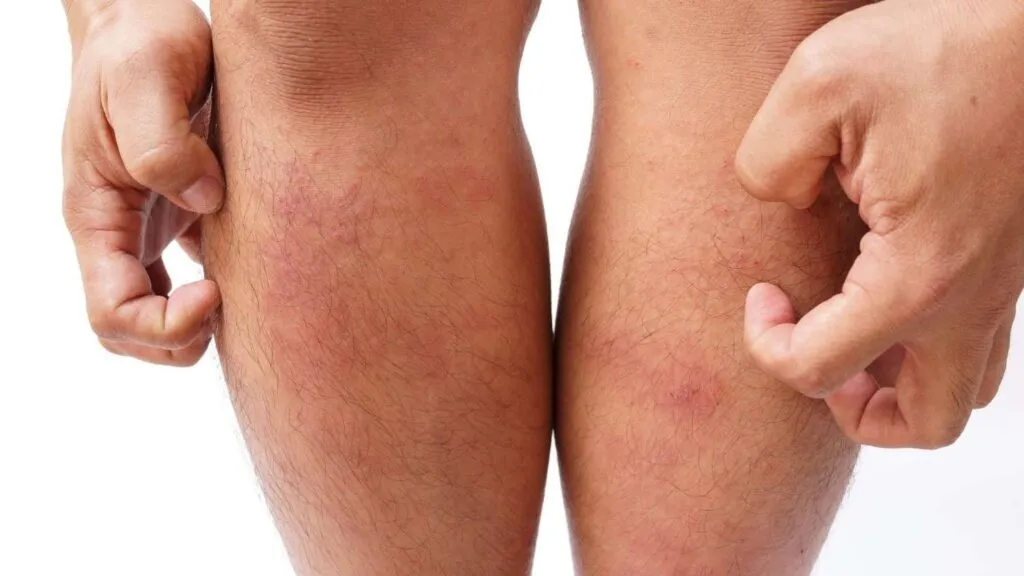
Itchy wounds during spring or fall aren’t just annoying—they’re a sign that something’s happening at the immune level. During allergy season, the body releases histamines in response to allergens like pollen or mold spores. These same histamines increase sensitivity in the skin—even in healing areas.
Common causes of increased itchiness include:
- Environmental exposure to allergens that trigger skin irritation
- Dry or flaky skin due to allergy medications (like antihistamines)
- Sweating from temperature changes, which aggravates wound dressings
- Histamine release near healing sites that overstimulates nerve endings
This can be frustrating, especially for patients with chronic wounds or diabetic ulcers who are already managing discomfort. Scratching can reopen wounds or introduce bacteria.
At OWC Center, we use non-adhesive dressings, cooling ointments, and skin-calming techniques that help manage seasonal itch while supporting safe healing.
📍 Visit our page on Wound Management Services to see how we approach inflammation relief.
3. Can inflammation from allergies delay wound recovery?
Absolutely. Inflammation is part of the healing process—but when it’s widespread and chronic (like during allergy season), it becomes a barrier instead of a help.
Here’s what happens:
- Overactive immune response → slows down cell regeneration
- Fluid buildup and swelling → interferes with wound closure
- Higher risk of infection → because the skin barrier weakens during flare-ups
Patients with asthma or seasonal rhinitis often notice wounds taking longer to heal in the spring and fall. That’s no coincidence. Prolonged inflammation can prevent wounds from progressing past the inflammatory phase and into the tissue repair stage.
At OWC Center, we monitor inflammation markers closely. If seasonal factors are involved, we may integrate mild anti-inflammatory support or work with a patient’s primary care provider to address allergic triggers.
📍 Explore our Multidisciplinary Wound Care for customized recovery plans based on your body’s full health picture.
4. How can people with allergies protect healing wounds during high-pollen seasons?
Prevention starts with awareness—and a little extra TLC.
Tips for allergy-sensitive individuals:
- Stay indoors during peak pollen hours (typically morning to early afternoon)
- Shower and change clothes after being outdoors to remove allergens
- Use a humidifier indoors to reduce nasal dryness and skin irritation
- Avoid scented lotions or perfumed dressings that can worsen inflammation
- Choose breathable wound coverings that reduce sweat buildup
Our team at OWC Center also helps patients switch to seasonally appropriate wound dressings. For instance, in spring or summer, we may recommend ultra-light breathable wraps to reduce friction and irritation.
📍 If you’ve noticed your wounds itch or swell more during allergy season, talk to our team. Visit our Contact Page to schedule a consultation.
5. Are there allergy medications that affect wound healing?
Yes—some allergy treatments can unintentionally interfere with wound recovery. The most common culprits include:
- Oral antihistamines → can cause dry skin, which slows healing or increases cracking
- Steroid nasal sprays or oral corticosteroids → may impair collagen production and delay new tissue formation
- Decongestants → can constrict blood vessels, reducing blood flow to wound areas
That said, not everyone will experience complications. It depends on the dosage, how long you’re taking the medication, and the condition of your skin and immune system.
At OWC Center, we always review a patient’s full medication list during a wound assessment. If allergy medications are playing a role in delayed recovery, we coordinate with your primary physician to find the best balance between symptom relief and healing optimization.
📍 Learn more about our holistic approach on the Wound Assessment Process page
