
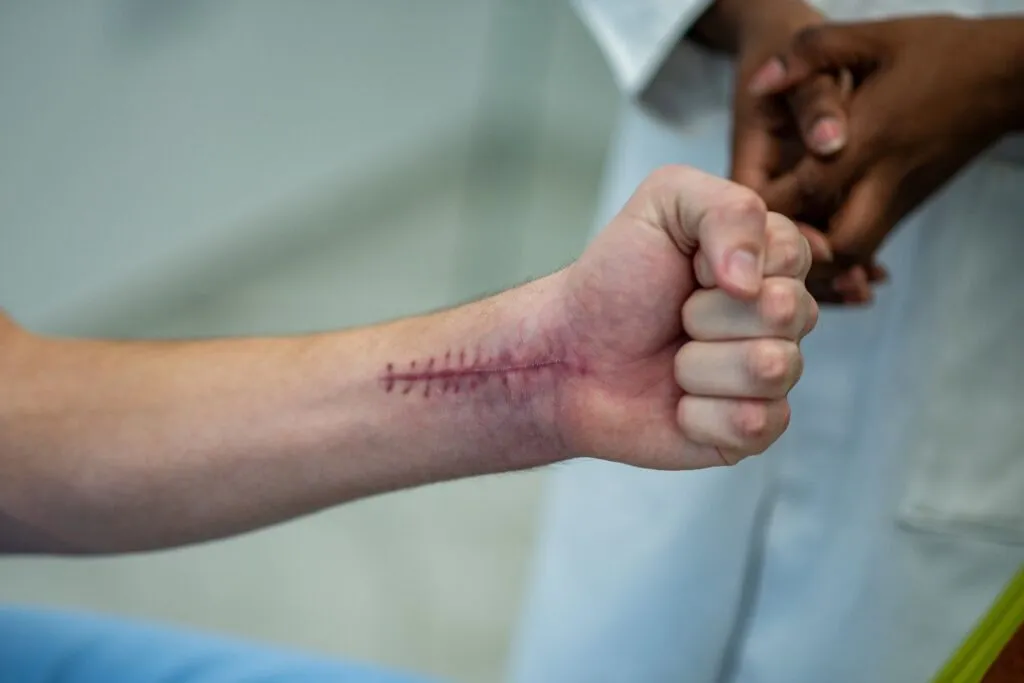
Caring for Surgical Wounds After Hospital Discharge
Healing Starts at Home—But It Isn’t Always Easy
You’ve made it through surgery.
You’re discharged.
You’re home.
Now what?
Your hospital stay might be over, but your recovery has only just begun. That surgical wounds? It still needs your attention. Daily. Carefully. Consistently.
Each day you wait to change the dressing…
Each skipped hand wash before touching the site…
Each forgotten follow-up appointment…
Could be the thing that stalls your healing.
According to the National Library of Medicine, surgical site infections (SSIs) occur in up to 20% of certain types of surgeries. And many begin after you leave the hospital.
That’s why post-surgical wound care matters more than you think.
It’s not just about preventing scars.
It’s about protecting your life.
If your immune system is compromised, or if you have diabetes or vascular issues, you’re at even higher risk.
A study by Johns Hopkins Medicine found that SSIs can double hospital readmission rates and significantly increase healing time.
So if you’re feeling unsure about cleaning your wound…
Or if you’re wondering if that redness is normal…
Or if your caregiver has never changed a dressing before…
You’re in the right place.
Recovery at Home: How to Care for Surgical Wounds Safely
Home recovery doesn’t mean you’re on your own. But it does mean you play the lead role in your healing process.
Your Step-by-Step Routine
- Follow your provider’s instructions: Every surgery is different. Some wounds require dry healing, others moist. Stick to what your surgeon recommends.
- Keep the wound clean and dry: Use mild soap and water if allowed. Pat gently—never rub.
- Change dressings as scheduled: Always with clean hands and sterile materials.
- Monitor daily: Use a mirror if needed. Look for changes in color, size, smell, or fluid.
What Supplies Should You Keep at Home?
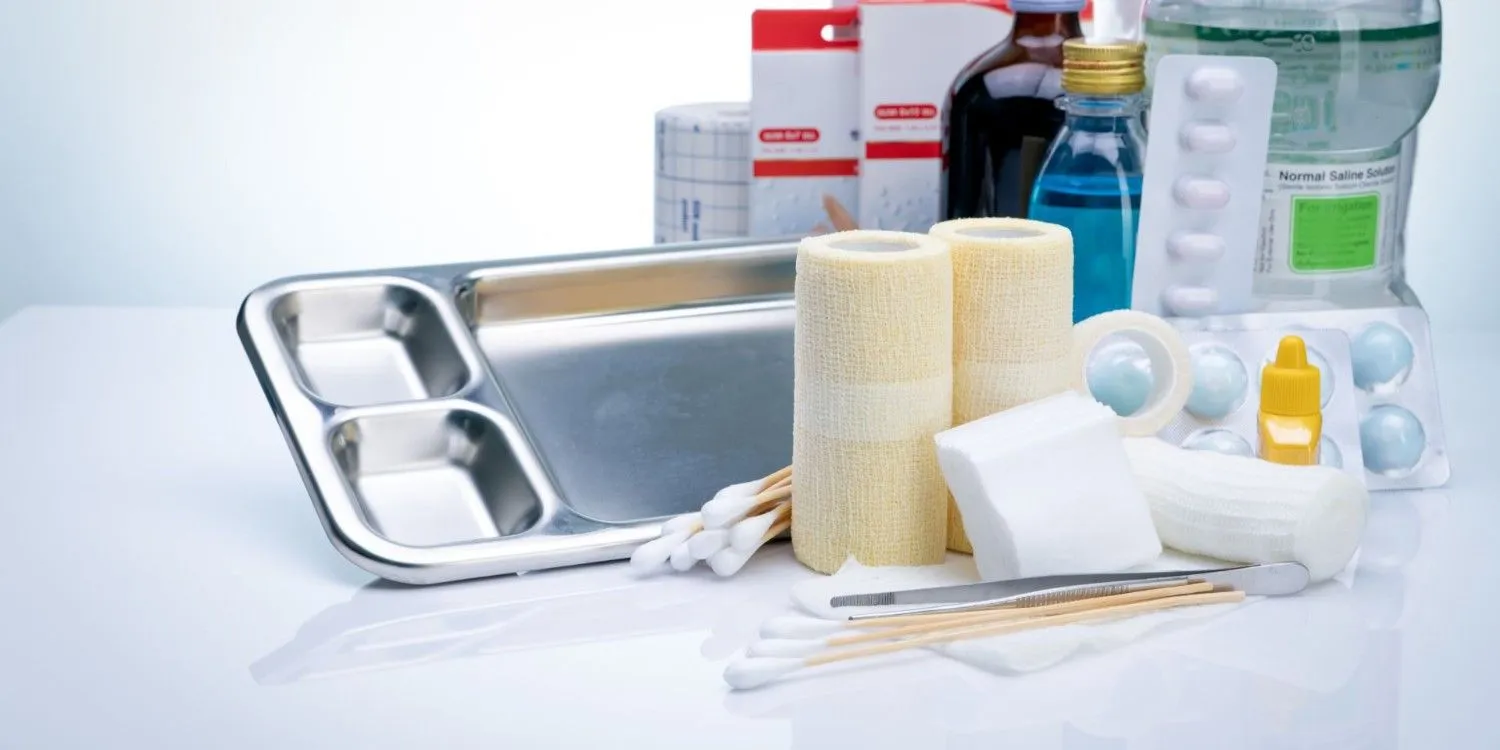
- Sterile gauze and tape
- Medical gloves
- Antiseptic wipes or wound wash
- Trash bags for safe disposal
🧠 Did you know? Bacteria from dirty linens or improper storage can lead to complications. Always store supplies in a clean, dry area.
Infection Prevention: Don’t Wait Until It Hurts
Infection isn’t always loud. Sometimes it starts with a whisper—a little more redness, a touch more warmth.
Early Warning Signs
- Spreading redness or darkening color
- Yellow or green discharge
- Foul odor
- Pain that’s increasing, not improving
- Fever or chills
How to Minimize Infection Risk
- Wash your hands for 20+ seconds before and after dressing changes
- Don’t reuse dressings
- Clean the wound area only with approved solutions
- Never use home remedies unless prescribed
Key Tips for Infection Prevention
- Keep pets and children away from the healing wound
- Use gloves if someone else is helping you
- Don’t scratch, pick, or touch unnecessarily
- Watch your temperature daily
- Track symptoms in a recovery journal
🩺 Internal infections often show as fatigue, appetite loss, or mood swings—don’t ignore the less obvious signs.
Infection Prevention Visual Guide
When to Call a Specialist: Know the Line Between Healing and Harm
Waiting too long can cost you time, money—even your health. Sometimes, that small problem isn’t small at all.
Situations That Require Medical Attention
- Wound hasn’t improved after 10-14 days
- Recurring bleeding or re-opening
- Signs of tissue death (black, dry skin patches)
- Loose stitches or visible gaps
- Sudden or unexplained swelling
Changing Dressings: How to Prevent Infection at Home
Changing dressings can be intimidating, especially the first few times. But doing it safely is key to avoiding setbacks.
Step-by-Step Guide
- Wash your hands thoroughly for at least 20 seconds
- Put on gloves (optional, but highly recommended)
- Remove the old dressing gently, checking for unusual discharge
- Clean the wound with wound wash or prescribed saline
- Apply fresh sterile dressing—don’t reuse anything
- Dispose of old materials properly
- Wash your hands again when done
Pro Tips to Make It Easier
- Keep a wound care kit near your bedside
- Use a timer or reminder app for dressing changes
- Set up a clean, well-lit workspace
- If nervous, ask a nurse to guide you via telehealth
You don’t need to be a medical expert to manage post-surgical wound care—you just need the right tools, the right knowledge, and a bit of daily awareness. From keeping the area clean and dry to knowing when something doesn’t look quite right, small actions at home can make the biggest difference in recovery.
And while it may seem like a lot to track—supplies, schedules, symptoms—it all becomes second nature with the right guidance. Checking for signs of infection, calling in a specialist if healing stalls, and changing dressings with care aren’t just medical tasks. They’re acts of self-preservation. Of hope. Of trust in your body’s ability to heal when supported the right way.
Whether you’re navigating healing alone or with a caregiver’s help, remember this: the wound may be temporary, but how you treat it can have lasting effects on your health and quality of life.
Support is available. Resources exist. And you don’t have to figure it all out on your own.
Key Takeaways
1. Post-surgical wound care is critical to healing well at home.
Your journey doesn’t end when you leave the hospital. It continues with daily attention to your wound, gentle care, and being alert to changes. Having the right tools and a clear plan makes all the difference.
2. Knowing early signs of infection can prevent serious complications.
Redness, swelling, warmth, unusual drainage, or increased pain shouldn’t be ignored. These are your body’s warnings—respond early to avoid emergency care or delayed healing.
👉 Schedule an urgent wound check at OWC
3. At-home recovery works best when it’s supported by professionals.
From clean dressing changes to knowing what’s normal, every step matters. And when something feels off, you’re never alone—our care team is just a call away.
4. Some wounds need expert care beyond the basics.
If your wound isn’t closing, shows signs of infection, or just doesn’t feel right, it may need advanced intervention. Our wound care specialists can help tailor a plan just for you.
5. Infection prevention starts with clean hands and calm confidence.
Whether you’re caring for your own wound or helping someone else, dressing changes don’t have to be scary. With the right prep and routine, you can promote healing every day.
5 Related Questions Answered
1. What is the best way to care for a surgical wound at home?
Caring for your wound at home doesn’t have to be complicated—but it does need to be consistent and informed.
Here’s what a good routine looks like:
- Follow your discharge instructions: Start with any personalized guidance from your surgeon or nurse.
- Keep it clean and dry: Gently cleanse with mild soap and water if permitted. Avoid scrubbing.
- Change dressings properly: Only when instructed. Always wash hands first and use sterile supplies.
- Watch for signs of infection: Increased redness, swelling, warmth, pus, or bad odor should be reported immediately.
- Avoid pressure and friction: Keep clothing loose, and avoid putting weight on the area if possible.
💡 Tip: Set daily reminders to check your wound and change dressings—especially in the first two weeks post-op.
🔗 Explore our Post-Surgical Wound Care Services
2. How can I tell if my surgical wound is infected?
Infections can start subtly. Early signs are your best chance to catch problems before they worsen.
Watch for these red flags:
- Redness that’s spreading or turning darker
- Swelling that’s increasing, not decreasing
- A foul smell or yellow/green discharge
- Heat or warmth around the incision
- Fever or chills
- Pain that worsens over time instead of easing
🟠 If you notice any of these, don’t wait. Call your doctor or visit a wound care clinic.
📞 OWC offers rapid wound assessments—Schedule an urgent wound check here.
3. What should I avoid during recovery at home to prevent complications?
Post-surgical recovery at home is about balance—resting enough without overdoing it, and protecting the wound without obsessing.
Here’s what not to do:
- ❌ Don’t soak the wound in bathtubs or pools (unless cleared by your provider).
- ❌ Don’t apply ointments or creams not prescribed by your doctor—some slow healing.
- ❌ Don’t lift heavy objects or stretch the wound site.
- ❌ Don’t skip follow-up appointments, even if you feel fine.
- ❌ Don’t ignore your body—fatigue, appetite changes, or mood swings may signal complications.
✅ Instead, prioritize:
- Gentle movement as advised
- Hydration and balanced meals
- Clean linens and environments
- Emotional support during healing
🧡 Remember: Healing is physical and emotional. Be patient with yourself.
🔗 Check out our At-Home Recovery Tips
4. When should I call a wound care specialist after surgery?
You don’t have to wait for an emergency to seek expert help. If your wound isn’t progressing as expected, a wound care specialist can help before things worsen.
Call a specialist if:
- Your wound hasn’t closed significantly after 2 weeks
- You have a history of diabetes, circulation issues, or past wound complications
- You experience recurring bleeding or unusual drainage
- The stitches or staples look loose or infected
- You’re unsure about your at-home routine
🏥 At OWC, we provide comprehensive post-surgical wound care with personalized recovery plans
5. How do I prevent infection while changing dressings?
Infection prevention starts with clean hands and clear steps. Whether you’re the patient or a caregiver, following protocol matters.
Steps for sterile dressing change:
- Wash hands thoroughly (20 seconds with soap and water)
- Wear disposable gloves if possible
- Remove old dressing gently and inspect the wound
- Clean the site using wound care solution or sterile saline
- Apply a new sterile dressing—don’t reuse gauze
- Dispose of old supplies safely
- Wash hands again
🔁 Repeat based on your provider’s schedule—daily, every other day, or as advised.
📦 Pro Tip: Keep a wound care kit stocked with gloves, gauze, medical tape, antiseptic, and hand sanitizer.
Surgical wounds don’t heal overnight. They need time, protection, and a little expert guidance. Whether you’re recovering from a major procedure or minor one, post-surgical wound care is essential to your long-term health.
