

How to Prevent Wounds in Wheelchair Users
Your Skin Is Talking. Are You Listening?
The wound won’t heal. You sit. Adjust. Sit again. Still red. Still sore. Still vulnerable.
You try a new cushion. A cream. A better position. Nothing changes.
Here’s the truth: wheelchair wound prevention isn’t about doing one thing. It’s about doing the right things together—consistently.
According to the CDC, individuals with mobility limitations face greater risk of wounds that turn chronic. And the National Pressure Injury Advisory Panel (NPIAP) warns that early signs of skin damage often go unnoticed—until it’s too late.
That’s why we built this guide. To help you stop wounds before they start. To give you the tools to protect your body—every day. And to remind you: you’re not alone.
Let’s break it down.
Pressure Sores: Why Wheelchair Users Are at Higher Risk
If you use a wheelchair, you already know what stillness feels like. But what you might not feel is the slow breakdown of skin and tissue happening underneath.
Pressure sores (or pressure injuries) occur when skin and underlying tissue are damaged by unrelieved pressure, often over bony areas like the tailbone, hips, and heels. This risk is heightened in wheelchair users due to:
- Reduced sensation: Damage may go unnoticed without pain cues.
- Decreased mobility: Pressure builds when you can’t shift easily.
- Moisture and friction: Sweat, clothing, or poor posture can create skin breakdown.
- Underlying conditions: Diabetes and circulatory issues slow healing.
A wound doesn’t have to start deep to become serious. Early redness and warmth are critical signs. Use a mirror or ask your caregiver to check skin daily. If you see anything unusual, schedule a wound care assessment right away.
At OWC, we offer comprehensive, team-based care to address every wound risk factor—from pressure mapping to personalized cushion support.
Cushioning: Choosing the Right Support for Prevention
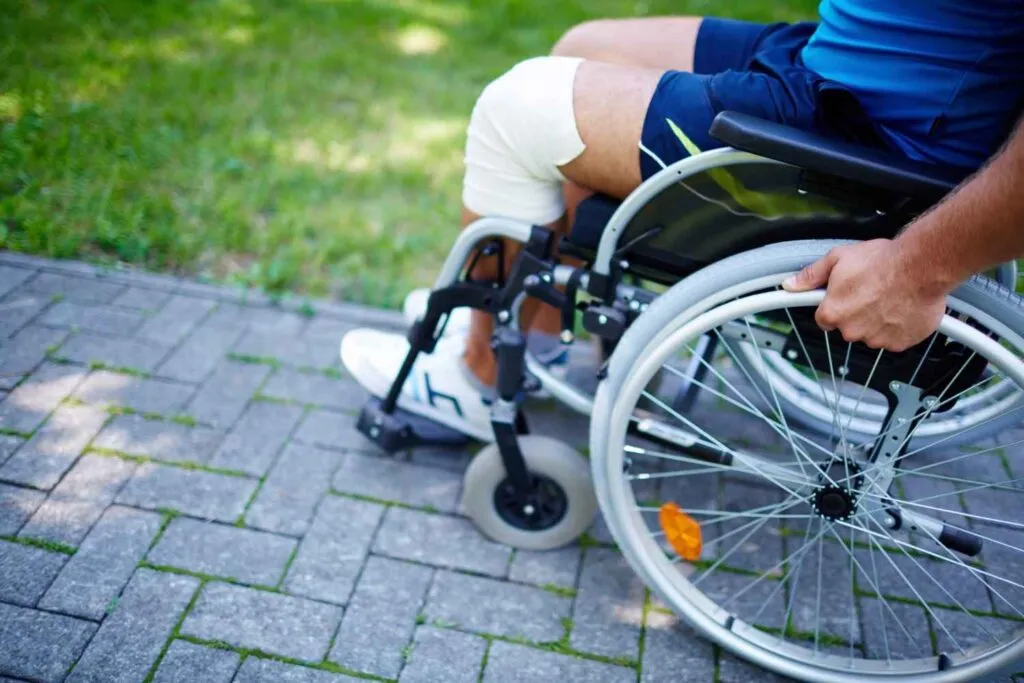
Not all wheelchair cushions are created equal. Some flatten over time. Others don’t distribute pressure evenly. The wrong one can increase your risk of skin breakdown.
Here are common cushion types and their features:
- Foam Cushions
- Affordable
- Lightweight
- May compress with use
- Gel Cushions
- Help regulate temperature
- Offer moderate pressure relief
- Air Cushions
- Adjustable
- Best for pressure distribution
- Require maintenance
- Hybrid Cushions
- Combine air, foam, or gel
- Offer customizable support
How to Pick the Right Cushion
- Schedule pressure mapping to pinpoint high-risk areas
- Choose a cushion with a washable, breathable cover
- Look for cushions with multi-layer designs that prevent bottoming out
🔹 Pro tip: Pair your cushion with a positioning strategy that supports your posture. Leaning left and right every 15 minutes can offload pressure naturally.
Daily Prevention Tips to Reduce Pressure Sores
Consistency matters. Preventing wounds isn’t about huge changes—it’s about small habits that protect your skin over time.
Daily Checklist for Wheelchair Users
- Shift your weight every 15–30 minutes
- Use pressure-relieving cushions consistently
- Stay dry (change clothes or pads when wet)
- Moisturize daily to reduce skin cracks
- Hydrate and eat nutrient-rich foods
- Inspect your skin daily (use a mirror or caregiver support)
Extra Tips That Make a Difference
- Set alarms to remind you to move
- Keep a healing journal (track redness, swelling, or soreness)
- Rotate clothing that causes friction or heat
- Use barrier creams to prevent moisture-related breakdown
At OWC, we help clients implement custom prevention plans that match their mobility levels, routines, and environments. Visit our mobility care page to explore how we personalize your wound prevention.
Nutrition and Skin Health: Building Resilience from Within
Healthy skin isn’t just about what you put on your body—it’s also about what you feed it.
Key Nutrients for Wound Prevention
- Protein: Tissue building and repair
- Vitamin C: Collagen production and immune support
- Zinc: Inflammation control and cell growth
- Water: Skin elasticity and toxin removal
Eating for Prevention
- Lean meats (chicken, turkey, tofu)
- Leafy greens and colorful fruits (spinach, strawberries, bell peppers)
- Whole grains and legumes
- 6–8 cups of water daily
🔹 Bullet Summary:
- Eat high-protein meals throughout the day
- Stay hydrated, especially in warm weather
- Avoid excessive sugar and processed food
- Talk to a dietitian about personalized nutrition plans
- Consider supplements if healing from existing wounds
Want help planning meals that support your skin? Our nutrition support team is here to help you build a plate that heals.
Staying ahead of wheelchair-related wounds means doing more than reacting—it means building a proactive routine rooted in awareness, prevention, and daily care. From choosing the right cushion to keeping your skin nourished from the inside out, every decision you make contributes to long-term skin health.
It starts with movement—leaning, shifting, repositioning every 15–30 minutes to relieve pressure before it turns into damage. It continues with the right equipment: pressure-relieving cushions that fit your body and lifestyle, paired with breathable, washable covers that reduce friction and bacteria. And it’s supported by vigilance—daily skin checks, using mirrors or help from a caregiver, to catch redness or warmth before it becomes something worse.
But the unseen part matters just as much. Proper hydration and nutrient-dense meals are essential. Protein, zinc, and vitamin C aren’t just dietary recommendations—they’re your skin’s frontline defense. With the right balance of internal support and external protection, you create an environment where wounds struggle to take hold.
Whether you’re managing your own care or helping a loved one, remember this: wounds don’t have to be inevitable. With a few thoughtful habits, smart choices, and the right team behind you, prevention is always within reach. At OWC, we believe in equipping every patient with the tools, care, and compassion needed to protect their skin—and their independence.
Key Takeaways
- Pressure relief is your first defense against wounds.
Shifting your weight every 15–30 minutes can drastically reduce your risk of pressure sores. Even small repositioning movements help restore blood flow and prevent tissue breakdown. If you need support creating a repositioning plan, our mobility care team can help design one that fits your daily routine. - The right cushion makes all the difference.
A properly selected cushion isn’t just about comfort—it’s about protection. Foam, gel, air, or hybrid models offer varying levels of support. Choosing the right one for your body type and mobility level can reduce pressure points and improve posture. - Skin checks should be part of your daily habit.
Early signs of pressure sores—like redness, warmth, or firm spots—can appear fast. Daily skin inspections using a mirror or caregiver support help you catch issues before they become wounds. Our team offers wound risk assessments to help you stay one step ahead. - Nutrition and hydration are powerful healing tools.
Your skin thrives on protein, vitamins, and water. Staying hydrated and eating nutrient-rich meals gives your body the strength it needs to repair and protect itself. If you need help planning meals that support your skin, our nutrition support specialists are here to guide you. - Prevention is easier than treatment—and we’re here to help.
Wheelchair wound prevention isn’t about doing one perfect thing. It’s about combining smart, consistent habits that protect your skin. From cushion fittings to customized prevention plans, our wound care specialists are ready to support you every step of the way.
5 Related Questions Answered
1. Why are wheelchair users at higher risk for wounds like pressure sores?
Wheelchair users spend long hours sitting in the same position, which places constant pressure on certain areas of the body—particularly the tailbone, hips, and heels. Without movement, blood flow slows, and tissue begins to break down. This leads to pressure sores (also called pressure ulcers), which can become serious quickly if left untreated.
Here’s why the risk is higher:
- Reduced sensation: Many wheelchair users experience limited feeling in pressure-prone areas and may not notice skin damage early.
- Limited mobility: Without frequent position changes, pressure builds over time.
- Moisture & friction: Sweating, rubbing from clothing, or improper cushioning can damage skin.
- Chronic conditions: Diabetes, vascular disease, and neuropathy make skin more vulnerable.
🟡 At OWC Center, we offer wound risk assessments specifically for mobility-impaired individuals and customized prevention plans.
Tip: Use a mirror or ask a caregiver to check skin daily. Early signs like redness or warm spots are your cue to act fast.
2. What can I do daily to help prevent wheelchair-related wounds?
Preventing wounds is all about proactive routines. Even small habits make a big difference in reducing pressure, boosting circulation, and protecting your skin.
Daily prevention checklist:
- Shift weight every 15–30 minutes (even minor lean or tilt counts)
- Use pressure-relieving cushions that redistribute body weight evenly
- Check your skin daily for redness, swelling, or broken skin
- Stay dry—change clothes or pads quickly if they get wet
- Keep skin moisturized to prevent cracks and dryness
- Hydrate and eat well—your skin needs nutrients to stay strong
Bonus tip: Set a phone alarm as a reminder to shift weight. If you can’t move yourself, ask your caregiver to help reposition you regularly.
3. What kind of wheelchair cushioning is best to prevent pressure sores?
Not all cushions are created equal—and choosing the right one could mean the difference between healthy skin and chronic wounds.
Popular pressure-relieving cushions include:
- Foam cushions: Affordable, lightweight, but can flatten over time
- Gel cushions: Help distribute pressure and stay cool
- Air cushions: Offer dynamic pressure relief and can be adjusted for comfort
- Hybrid cushions: Combine foam and air or gel for targeted support
📍 At OWC Center, we recommend having your cushion professionally evaluated. Factors like your posture, mobility level, and weight all affect what works best.
Here’s how to make the right choice:
- Prioritize pressure mapping (available through wound care clinics)
- Ask about cushion maintenance—some require inflating or reshaping
- Choose cushions with removable, washable covers to reduce bacteria buildup
✅ Pro tip: A good cushion doesn’t just prevent wounds—it also improves posture and reduces fatigue.
4. What early signs of pressure sores should I watch for?
Catching a pressure sore early means it’s easier to treat—and less likely to become infected or require hospitalization.
Stage 1 pressure sore warning signs:
- Redness or discoloration that doesn’t fade when pressed
- Warmth or firmness in the area
- Tenderness or itching
- Skin that looks shiny, dry, or swollen
- Pain or burning sensation, even if the skin looks intact
If left untreated, sores can progress to open wounds exposing muscle or bone.
🚨 Don’t wait. If you see any of these symptoms, contact your doctor or visit our wound care clinic right away. Early treatment may include special dressings, barrier creams, or offloading support.
Also look for:
- Dark purple or blue areas (especially for darker skin tones)
- Changes in skin temperature
- Blisters or fluid-filled spots
📌 Reminder: Early sores can develop in just a few hours of unrelieved pressure. Prevention is always easier than healing.
5. What role does nutrition and hydration play in wound prevention?
Your skin is your largest organ—and just like your heart or muscles, it needs the right fuel to stay strong.
Here’s how nutrition helps prevent wheelchair wounds:
- Protein: Repairs tissue and builds new skin cells
- Vitamin C: Supports collagen production and immune function
- Zinc: Aids in cellular repair and reduces inflammation
- Hydration: Keeps skin elastic and reduces friction injuries
💧 Dehydrated skin = dry, cracked, and vulnerable.
🥗 Undernourished body = slower healing and higher risk of infections.
✅ Tips for better skin nutrition:
- Eat lean proteins like chicken, eggs, beans
- Include fruits (oranges, strawberries) and vegetables (spinach, bell peppers)
- Drink at least 6–8 cups of water daily
- Consider supplements if you’re recovering from a wound
🌿 Our OWC nutritionists work with patients to create meal plans that support healing and skin integrity. Learn more on our nutrition support page.
Let’s prevent wounds before they start—with comfort, confidence, and care tailored to everybody.
