
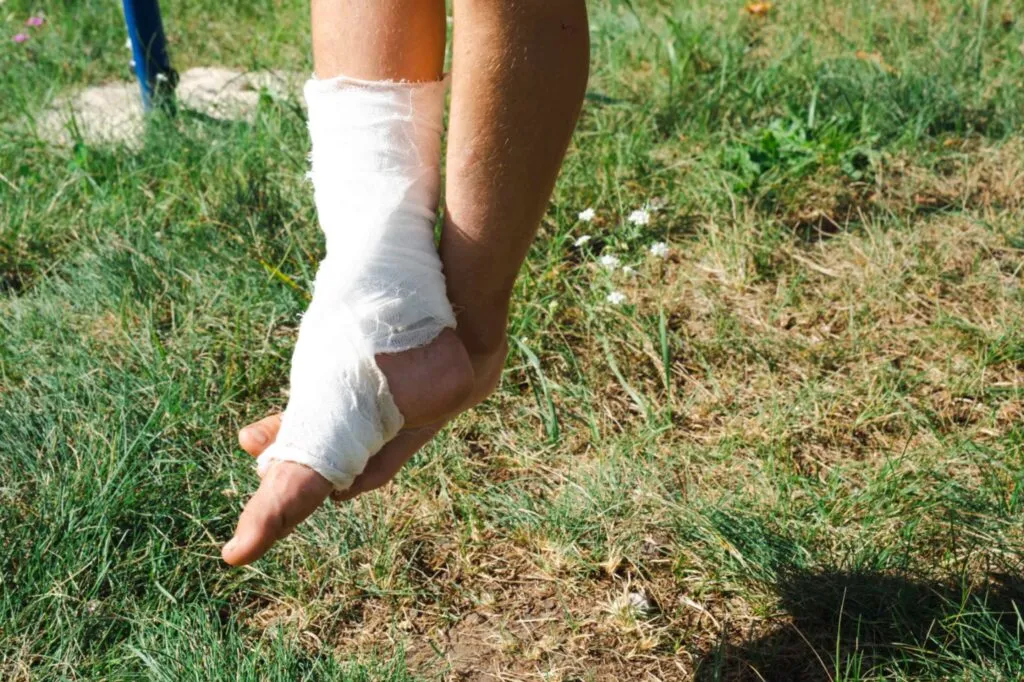
The Science Behind Collagen and Wound Healing
The wound just won’t heal. You’ve cleaned it. Dressed it. Even tried a new ointment. Still red. Still sore. Still open.
You start asking questions. “Is it infected?” “Do I need a stronger antibiotic?”
But what if the answer isn’t on the surface? What if it’s beneath the skin—in the very fabric of your body’s healing system?
That fabric is called collagen. And without it, wounds don’t close. Skin doesn’t knit. Scars don’t fade.
Collagen is more than a buzzword in beauty. It’s your body’s first responder to injury. And yet, most people don’t know how deeply it’s tied to recovery.
According to this NIH study, collagen is a critical component of the wound matrix—the scaffold that gives new skin a place to grow. Another report by the WHO confirms collagen’s role in speeding up tissue repair and preventing chronic complications.
Let’s break it down. Because understanding collagen might be the key to finally closing that stubborn wound.
Tissue Repair: How Collagen Fuels Skin Recovery
When you cut your skin, the healing process isn’t just about clotting and scabbing—it’s about regeneration. And that starts with collagen.
Collagen is the most abundant protein in the body. It acts like scaffolding beneath your skin, giving it shape, strength, and resilience. When tissue is injured, your body releases fibroblasts, which produce collagen to rebuild what was lost.
Why It Matters:
- Collagen forms the initial framework for healing skin.
- It attracts immune cells that help fight infection.
- It reduces inflammation and calms the wound site.
- It helps organize new blood vessels for oxygen delivery.
Without collagen? The wound remains weak and exposed.
For patients with diabetes, vascular conditions, or slow healing, boosting collagen isn’t optional—it’s essential.
At OWC Center, our tissue repair programs often include collagen-boosting treatments tailored for chronic wounds and skin breakdowns.
Want to know why that pressure ulcer won’t budge? Collagen may be the missing link.
Wound Matrix: Collagen as the Healing Scaffold
When your body tries to heal, it doesn’t just slap skin over the wound and call it a day. It builds a wound matrix first—a temporary structure made of proteins (like collagen) that supports the entire healing cascade.
What Is the Wound Matrix?
Think of it like a blueprint. Or a trellis for growing vines. Without it, cells have nowhere to go.
Collagen’s Role:
- Guides cell migration: Healing cells move along the collagen network.
- Anchors tissue layers: Keeps the skin from collapsing or reopening.
- Delivers signals: Instructs nearby cells when to grow, stop, or rebuild.
- Prevents infection: Stabilizes the site and keeps out invaders.
According to research, wounds without a stable collagen matrix take 3–5x longer to close.
Our providers use ultrasound wound assessment to evaluate whether the wound matrix is intact. If it’s not, we introduce bioengineered collagen dressings to help restart the process.
Chronic Wounds: How Collagen-Based Therapies Restore Healing
Chronic wounds are stubborn. They don’t respond to regular dressings. They linger for weeks or months.
But there’s hope.
Collagen-based therapies have shown remarkable results in chronic wound patients—especially when standard treatments have failed.
Why Chronic Wounds Stop Healing:
- Insufficient collagen production
- Persistent inflammation
- Lack of oxygen and nutrients
- Bacterial biofilms interfering with tissue regeneration
How Collagen Therapy Helps:
- Creates a bio-friendly wound environment
- Reduces excess inflammation
- Attracts fibroblasts and growth factors
- Rebuilds dermal structure from the inside out
- Supports other treatments like PRP, shockwave therapy, and oxygen therapy
Bullet Points Recap:
- Stabilizes the wound bed
- Minimizes tissue loss
- Enhances healing signals
- Improves scar outcomes
- Speeds up closure
Natural Ways to Boost Collagen for Skin and Wound Health
You don’t have to wait for a wound to get serious to start supporting your collagen levels. Prevention is power.
Lifestyle Tips for Boosting Collagen:
- Eat collagen-rich foods: Bone broth, chicken skin, gelatin, and wild-caught fish.
- Take vitamin C daily: Essential for collagen synthesis.
- Stay hydrated: Water supports elasticity and cell function.
- Avoid sugar and tobacco: Both accelerate collagen breakdown.
- Consider supplements: Collagen peptides or hydrolyzed collagen.
Clinical Support
If you’re over 60, immunocompromised, or diabetic, talk to your provider about targeted collagen support—either oral or through dressings. At OWC Center, we customize wound care based on your nutritional status, skin thickness, and healing response.
 Collagen isn’t just part of the healing process—it is the process. From the moment skin breaks, collagen gets to work. It builds the framework. Signals the healing cells. Holds everything together while new tissue forms. When that scaffold is weak or missing, wounds linger, inflammation rises, and the risk of infection climbs.
That’s why collagen-based therapies are more than just supportive—they’re restorative. Especially for patients with diabetes, poor circulation, or chronic wounds, the right collagen treatment can shift recovery from stalled to successful. It’s not about masking symptoms—it’s about rebuilding from the inside out.
Supporting collagen doesn’t always mean high-tech interventions, either. It starts with basics: diet, hydration, vitamin C, and avoiding habits that degrade tissue. Layer in targeted support—whether through dressings or supplements—and the body gets what it needs to close wounds faster, with less scarring and fewer complications.
At OWC Center, we see it every day. When collagen is respected and restored, healing stops being a struggle—and starts becoming possible again.
Key Takeaways
- Collagen is the Foundation of Wound Healing.
From the moment a wound occurs, collagen begins working behind the scenes—building the scaffold for new skin, attracting healing cells, and reducing inflammation. Without it, wounds stall and complications rise. Learn more about how we support this process through our advanced wound care services. - Aging Skin Needs Extra Collagen Support.
As we age, our body produces less collagen, which slows healing and weakens skin integrity. That’s why our team offers specialized treatments for seniors experiencing slow recovery or skin breakdown. Explore our tailored approach to elderly wound care. - A Healthy Wound Matrix Depends on Collagen.
The wound matrix acts like a blueprint for healing, and collagen is its key building material. When this matrix is missing or unstable, healing stalls. Our diagnostic tools like ultrasound wound assessment help us identify and correct these issues early. - Chronic Wounds Often Signal a Collagen Deficiency.
If a wound hasn’t healed in weeks, it may be due to poor collagen production or chronic inflammation. Collagen-based therapies, combined with regenerative treatments, can restore the body’s ability to heal and reduce long-term risks. - You Can Boost Collagen Naturally—And Clinically.
Eating collagen-rich foods, staying hydrated, and taking vitamin C can support your body’s healing abilities. But for those with medical conditions or advanced wounds, our team can personalize care plans with nutritional counseling and medical-grade collagen therapies.
Related Question Answered
1. What role does collagen play in wound healing?
Collagen is the unsung hero of tissue repair—the structural protein that holds your skin together. When a wound occurs, collagen steps in almost immediately to rebuild and stabilize the skin’s framework.
Here’s how it works:
- Forms the wound matrix: Collagen lays the groundwork (literally) for new tissue to grow by forming a scaffold.
- Supports new cell growth: Fibroblasts (healing cells) attach to collagen and begin generating new tissue.
- Speeds up healing: With more collagen, your body can regenerate skin faster and more efficiently.
- Reduces scarring: Proper collagen balance helps minimize long-term scarring and discoloration.
At OWC Center, our providers use advanced collagen-based treatments in chronic wound care, especially in patients with delayed healing or poor circulation. Collagen-based dressings and therapies can jumpstart stalled healing by giving your body the support it needs.
2. Why is collagen important for tissue repair, especially in older adults?
As we age, our natural collagen production declines—which directly impacts how quickly and effectively our body heals from injury. In wound care, tissue repair becomes slower due to reduced elasticity and moisture in aging skin.
Key reasons collagen is crucial for tissue repair in older adults:
- Aging skin is thinner and more prone to tearing.
- Reduced collagen = slower healing, more inflammation, and increased risk of infection.
- Collagen improves cell signaling, attracting healing cells to the injury site.
For patients over 60 or those with chronic illnesses, collagen-based wound dressings or supplements may improve healing outcomes. At OWC Center, we often recommend targeted collagen therapies for elderly wound care patients who aren’t responding to standard treatment.
3. What is a wound matrix, and how does collagen support it?
Think of a wound matrix like scaffolding on a building site—it’s the temporary structure your body builds while it repairs skin. Collagen is the primary material used to build that scaffold.
The wound matrix provides:
- Structural support for new cells to attach and multiply.
- A protective barrier against bacteria and environmental damage.
- A signaling system that tells your body where and how to heal.
Without enough collagen, the matrix weakens—leading to stalled or improper healing. That’s why chronic wounds often benefit from collagen wound dressings or biologic scaffolds that mimic the natural matrix.
At OWC Center, we use advanced tools like ultrasound wound assessment to evaluate whether the wound matrix is forming properly—and when it’s not, collagen-based treatments help rebuild it.
4. Can collagen-based treatments help with chronic or non-healing wounds?
Absolutely. In fact, collagen-based treatments are often a game-changer for wounds that haven’t healed in weeks or months.
Chronic wounds—like pressure ulcers, diabetic foot ulcers, or post-surgical wounds—often stall because:
- The skin lacks enough collagen to rebuild.
- Inflammation destroys healthy tissue faster than the body can repair it.
- The wound matrix is unstable or missing.
Collagen dressings provide a boost by:
- Stabilizing the wound environment.
- Reducing inflammation.
- Attracting healing cells to the area.
At OWC Center, we pair collagen therapies with nutritional support, oxygen therapy, and shockwave therapy to stimulate the entire healing process from the inside out.
5. How can I naturally boost collagen for better healing?
While medical collagen treatments are effective, you can also boost your body’s natural collagen production with lifestyle changes and diet.
Here are science-backed tips:
- Eat collagen-rich foods: Bone broth, chicken skin, egg whites, and fish.
- Load up on vitamin C: Found in citrus fruits, bell peppers, and broccoli—vitamin C is essential for collagen synthesis.
- Avoid excess sugar and smoking: Both break down collagen and slow healing.
- Hydrate well: Collagen needs water to stay elastic and functional.
In some cases, your provider may recommend oral collagen supplements, especially if you’re recovering from surgery or managing a chronic wound. But always consult your wound care specialist before starting any supplement.
