How Anemia Affects Tissue Repair and Wound Healing
Your wound isn’t healing.
You’ve cleaned it. Covered it. Changed the bandage—again and again.
Still red. Still sore. Still open.
You start asking questions. “Is it infected?” “Do I need a different cream?”
But the answer might not be on the surface at all.
It might be in your blood.
Anemia affects millions of adults—and many don’t even know they have it. But if your wound refuses to heal, your low iron levels could be quietly holding you back.
According to the National Institutes of Health, anemia impacts tissue oxygenation, a vital process for cell regeneration and immune function. Without enough oxygen, your body can’t repair itself the way it should. Even simple cuts take weeks—or months.
Johns Hopkins Medicine confirms this, especially in patients with chronic wounds or post-surgical incisions. When iron is low, your healing slows. Your energy drops. Your immune response weakens. And your risk of complications skyrockets.
Let’s explore what’s happening—and what you can do about it.
Low Iron and the Hidden Cost to Healing
Iron isn’t just about energy or red meat commercials.
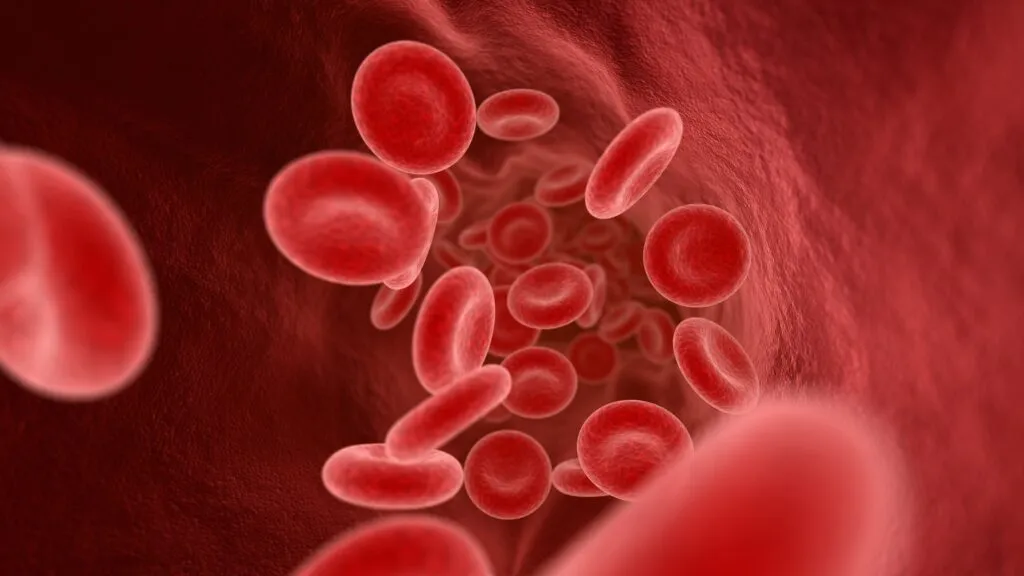
It’s a core component of oxygen delivery, helping red blood cells transport life-giving oxygen to every part of your body including injured skin.
When iron is low, here’s what happens:
- Your red blood cell count drops.
- Less oxygen reaches your wound.
- Cells can’t regenerate quickly.
- Collagen production weakens.
- Infections creep in more easily.
This is especially risky for older adults, diabetics, or post-surgical patients.
Why Oxygen Matters
Think of wound healing like a construction site. Oxygen is the fuel that powers every phase:
- Inflammation: White blood cells rush in, but without oxygen, they underperform.
- Tissue Growth: Fibroblasts build new tissue—but they need oxygen to make collagen.
- Remodeling: Skin reforms, nerves reconnect, strength returns.
Without enough iron, the oxygen doesn’t show up. The site shuts down. The wound stalls.
At the OWC Center wound care clinic, we often begin treatment by assessing nutritional and blood health. Iron levels, vitamin B12, and hemoglobin tell us what your tissues need to heal—from the inside out.
Oxygen Delivery and Your Immune Defense
Infection’s Best Friend: Poor Oxygenation
When your blood can’t deliver enough oxygen to an injury, it creates the perfect storm:
- Delayed healing
- Prolonged inflammation
- Opportunistic infections
In fact, research says that hypoxia (low oxygen in tissue) is directly linked to increased bacterial colonization. It’s like sending your immune system to battle without weapons.
Tired All the Time? It Might Be Anemia
Fatigue is one of the most common symptoms of anemia—and it’s not just about being tired. It’s about your body literally lacking the energy to heal. Every process slows down. Even your immune system.
Subsection: The Immune-Wound Connection
- Fewer red blood cells = less oxygen = fewer infection-fighting cells
- Weakened skin barrier = more entry points for bacteria
- Prolonged healing = more time for bacteria to grow
Patients at OWC Center often come in with stubborn wounds—and leave surprised to learn their healing struggles were due to a simple nutrient deficiency. A few lab tests can unlock a whole new approach to recovery.
Delayed Healing and At-Risk Populations
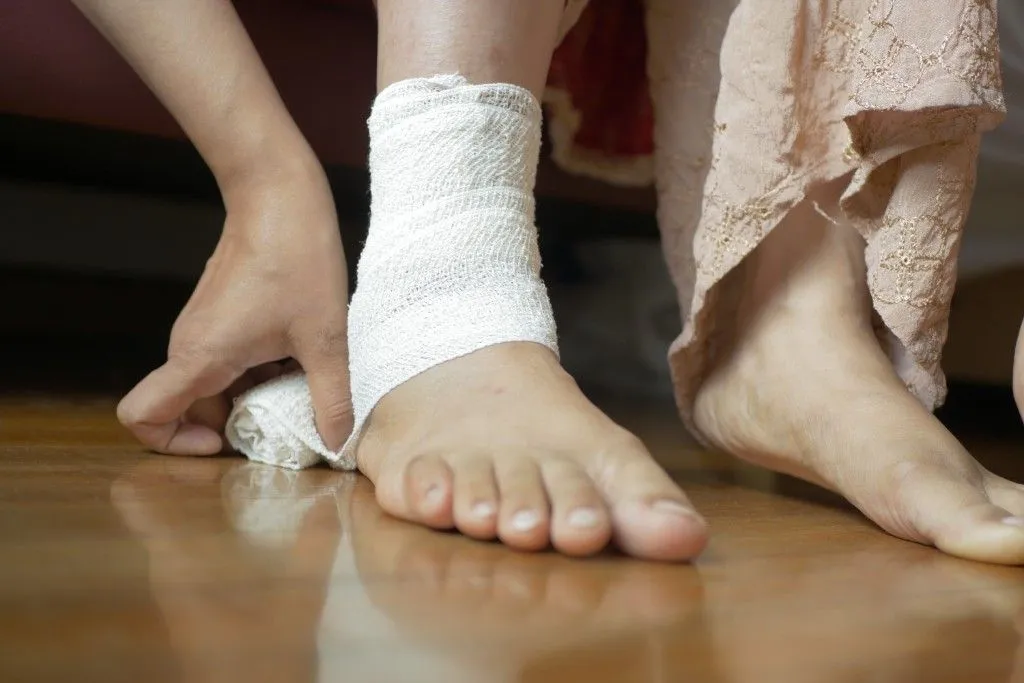
Some people are simply more vulnerable to wound delays. That doesn’t mean it’s their fault. It just means they need personalized care.
At-Risk Groups:
- ✅ Adults over 65
- ✅ Women with heavy periods or recent childbirth
- ✅ Post-surgery patients
- ✅ People with diabetes or kidney disease
- ✅ Vegans/vegetarians with low iron intake
For these patients, small injuries can become chronic wounds especially without timely care.
Signs You’re Healing Too Slowly
- Wounds stay open beyond 3 weeks
- Skin around the wound stays red or swollen
- You notice unusual fatigue or weakness
- You’re experiencing frequent infections
- Scabs don’t form, or reopen easily
If this sounds like you or a loved one, schedule a wound evaluation today. Our team specializes in diagnostic wound care, including lab tests that most primary care visits overlook.
Treatment Plans for Healing with Anemia
There’s good news: Anemia is highly treatable—and so are its effects on your skin.
At OWCCenter, we approach wounds holistically. That means looking at your body as a system, not just an open cut.
A Personalized Healing Plan May Include:
- Iron supplements (oral or IV)
- B12/folate therapy for related deficiencies
- Nutritional counseling and meal planning
- Probiotic support to boost iron absorption
- Hyperbaric oxygen therapy (for complex wounds)
We also integrate low-pressure wound therapy, advanced dressings, and antibiotic support if needed.
Iron-Rich Foods That Support Wound Healing
- Spinach, kale, and dark leafy greens
- Lean red meats and poultry
- Legumes (beans, lentils, chickpeas)
- Fortified cereals and whole grains
- Shellfish like clams and oysters
According to the WHO, nearly one-third of the global population is anemic. That makes iron deficiency one of the most widespread (and overlooked) risk factors for poor healing.
When your body is running low on iron, healing becomes more than just slow—it becomes complicated. Each stage of tissue repair depends on oxygen-rich blood, and without it, wounds remain inflamed, vulnerable to infection, and painfully persistent. From post-surgical recovery to diabetic ulcers, anemia quietly disrupts your body’s ability to mend itself.
That’s why fatigue, poor scab formation, or frequent infections may be more than just surface-level symptoms—they’re often the body’s quiet cry for help. At-risk individuals, especially older adults or those managing chronic conditions, may not connect their tiredness or poor appetite with the wound that won’t heal. But at OWC Center, this link is the first place we look.
Simple bloodwork can uncover silent contributors like low hemoglobin or vitamin deficiencies. Treatments don’t always require complicated interventions—sometimes it’s about the basics: iron, B12, better nutrition, and oxygen therapy. Combined with advanced wound care techniques, recovery is not only possible—it’s expected.
Key Takeaways
Anemia quietly stalls the healing process by reducing oxygen delivery.
Iron deficiency affects your red blood cells’ ability to carry oxygen, slowing down wound repair, increasing infection risk, and weakening collagen production. At OWC Center, we begin every chronic wound assessment by checking iron and nutrient levels to uncover hidden barriers to healing.
Chronic wounds may signal more than skin-deep issues.
If your wound won’t heal despite proper care, anemia may be the missing link. Symptoms like fatigue, pale skin, or shortness of breath can point to a deeper issue. Our team uses diagnostic blood tests to identify anemia and get to the root of delayed healing.
Older adults and people with chronic illnesses face greater risks.
Patients with diabetes, kidney disease, or poor nutrition are more likely to experience anemia-related wound delays. We specialize in identifying these risk factors early—so small cuts don’t turn into long-term complications.
A personalized care plan can accelerate healing—naturally.
From iron and B12 supplements to hyperbaric oxygen therapy and nutrition support, OWC Center creates custom healing plans tailored to your body’s needs. Because every wound and every patient is unique.
Simple lab tests could be the turning point for recovery.
Sometimes, what’s missing isn’t a stronger bandage—it’s a better understanding of what’s happening internally. A quick blood test at OWC Center can uncover anemia and other nutrient deficiencies that silently delay healing—and help you finally move forward.
5 Related Questions Patients Often Ask
1. Can anemia really delay wound healing?
Yes, and it’s more common than you think.
When your body is low on red blood cells or iron (known as anemia), your tissues don’t get the oxygen they need to repair themselves. Healing is an energy-intensive process, and oxygen is the fuel. Without it, progress stalls.
Here’s how anemia interferes with wound healing:
- Low oxygen delivery: Red blood cells carry oxygen. Anemia means less oxygen reaches the wound.
- Decreased collagen production: Oxygen is critical for collagen synthesis, which helps close wounds.
- Weak immune response: White blood cell activity also slows, increasing the risk of infection.
According to the Journal of Wound Care, patients with anemia experience significantly slower healing rates, especially those with chronic ulcers or surgical wounds.
🩺 If you or a loved one is managing chronic wounds and has signs of anemia—such as fatigue, pale skin, or dizziness it’s time to seek help. OWC wound care specialists in Louisville can assess your iron levels and create a tailored healing plan.
2. What are the signs that anemia is affecting my wound healing?
It’s not always obvious, but certain symptoms can signal a deeper issue:
- Wounds that stay red and inflamed longer than normal
- Slow scab formation or failure to close
- Recurring infections or foul-smelling discharge
- Low energy or fatigue unrelated to wound pain
- Shortness of breath or pale skin
If any of these signs persist, especially alongside a wound that just won’t close, anemia may be involved. Lab tests can quickly reveal low iron levels, low hemoglobin, or deficiencies in vitamin B12—all of which impair oxygen delivery.
Visit OWC Center wound assessment clinic in Louisville for a comprehensive diagnostic evaluation. Our team checks for both visible and invisible healing blocks, including anemia, diabetes, and vascular issues.
3. How does low iron disrupt the healing process?
Iron is crucial in every stage of wound healing. When iron levels drop:
- Red blood cell production slows, decreasing oxygen to tissues.
- Enzymatic activity declines, which hampers tissue regeneration.
- Fibroblast function weakens, making new skin slower to form.
- Immune responses are delayed, increasing the chance of infection.
These disruptions aren’t just theoretical. A study published by the Cleveland Clinic Journal of Medicine found that patients with iron-deficiency anemia had a 35% increase in healing time compared to non-anemic peers.
At OWC Center, we screen for nutritional deficiencies and use targeted therapy, including iron supplementation and dietary guidance, to support recovery.
🔗 Explore our advanced wound care options tailored to your body’s unique needs.
4. Who is most at risk for anemia-related wound delays?
Certain groups are more vulnerable to both anemia and chronic wounds:
- Older adults (65+), especially those with poor nutrition or limited mobility
- People with chronic illnesses like diabetes, kidney disease, or cancer
- Women with heavy menstrual cycles or recent childbirth
- Post-surgical patients, especially those with blood loss
- Vegetarians or vegans not supplementing iron-rich foods
For these groups, even minor cuts or pressure sores can become long-term complications. At OWC Center, we don’t just treat the surface—we look beneath it.
5. What treatments help wounds heal faster if I have anemia?
Good news: once diagnosed, anemia is treatable—and so are its effects on healing. A combined approach works best:
- Iron supplements or IV iron therapy
- B12 and folate supplementation, if deficient
- Nutrient-dense diet including leafy greens, lean meats, beans, and fortified grains
- Hyperbaric oxygen therapy for severe wound cases
- Probiotic therapy to improve iron absorption in the gut
At OWC Center, we personalize your care plan. That might include:
- Bloodwork to check iron, hemoglobin, and inflammation markers
- Referral to a hematologist if needed
- Coordinated wound care to ensure your body gets both oxygen and nutrients at the cellular level
📞 Not sure where to start? Schedule a wound care consultation and let’s uncover what’s holding your healing back.
