
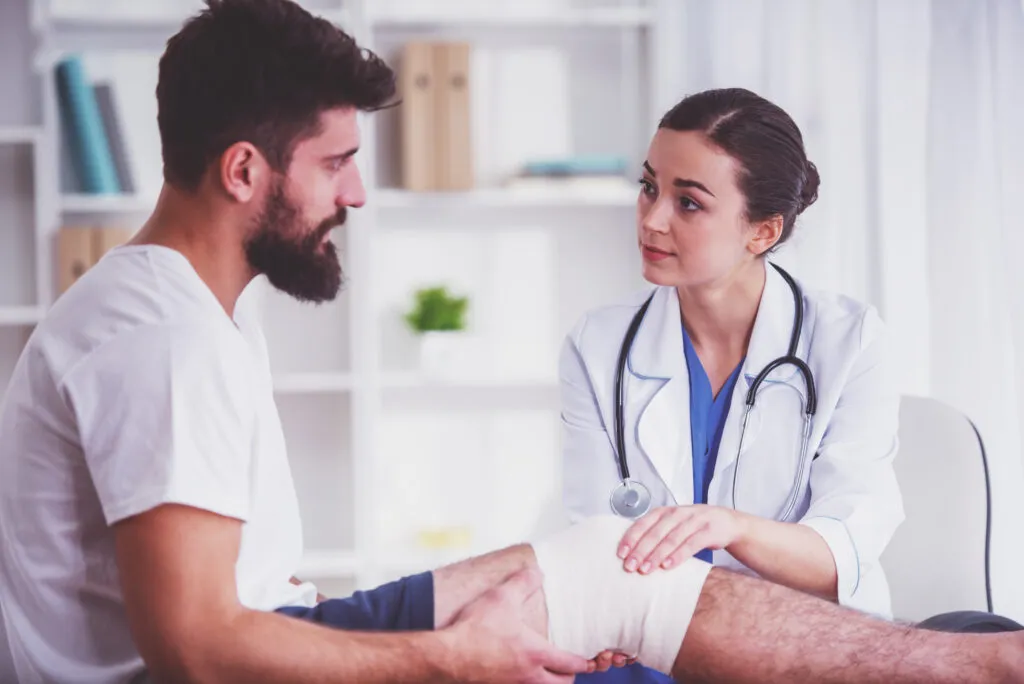
How Autoimmune Disorders Complicate Wound Care: The Hidden Link
When Wounds Don’t Heal the Way They Should
You scraped your leg. It should’ve healed by now. But it hasn’t.
The redness lingers. The skin breaks open again. And again.
You put on ointment. You cover it up. Still, nothing.
You start asking questions.
“Is this just age? Or something else?”
For many patients, the answer lies deeper than the surface.
Autoimmune disorders like lupus, rheumatoid arthritis, or scleroderma can make even the smallest wound feel like a marathon to heal.
These conditions confuse the immune system. It stops protecting you—and starts attacking.
Instead of repair, you get chronic inflammation. And with that comes swelling, heat, and tissue damage.
According to NIH research, inflammation caused by autoimmune diseases can stall every phase of wound healing—from clotting to cell regeneration.
Meanwhile, studies from Johns Hopkins Medicine reveal that more than 80 known autoimmune diseases impact various systems in the body, including the skin, joints, and vascular tissues.
At first, it may seem unrelated. A bruise that spreads. A scratch that gets infected. But when this becomes a pattern?
It’s time to look closer.
Chronic Inflammation: Why the Immune System Works Against You
Autoimmune disorders turn your defense system into a weapon. The body misidentifies healthy tissue as a threat, triggering ongoing inflammation.
What Happens When Inflammation Doesn’t Turn Off?
- Cells get stuck in “alarm mode”
- Blood vessels shrink, reducing oxygen and nutrient delivery
- New tissue can’t grow fast enough to close the wound
Your body tries to help. But it does more harm than good. Instead of healing, wounds fester.
Many patients with rheumatoid arthritis or lupus report skin ulcers that take weeks or even months to close. The issue isn’t just the surface injury—it’s the environment the wound exists in.
Real-Life Story: Sandra’s Struggle
Sandra, 63, from Louisville, came to OWC Center after struggling with a shin wound that wouldn’t close. She has lupus. What started as a tiny scratch became a quarter-sized sore in two weeks. She tried creams. Bandages. Over-the-counter fixes.
Nothing worked.
Our team performed a full Wound Assessment. The inflammation markers were elevated. Her immune system was flaring.
With anti-inflammatory dressings, immune-aware treatment planning, and gentle debridement, Sandra began healing.
Healing isn’t linear. But it should move forward.
Healing Complications: More Than Just a Skin Issue
Autoimmune diseases don’t just make wounds heal slowly. They often bring complications that increase the risk of infections, scarring, and long-term disability.
Why Healing Becomes a Complex Puzzle
- Medications like corticosteroids suppress immunity
- Underlying vascular issues affect blood flow
- Tissue regeneration is inconsistent and delayed
These complications are especially common in patients with scleroderma, where the skin becomes thick and inflexible, making it nearly impossible for wounds to close without medical help.
Even something as minor as a blister can spiral.
At OWC Center, we use tools like Negative Pressure Wound Therapy and compression treatments to stabilize difficult wounds and reduce infection risks.
We also collaborate with patients’ primary care doctors and rheumatologists to sync wound care with autoimmune treatment plans.
Advanced Wound Care Strategies for Autoimmune Patients
What Works Best?
There’s no one-size-fits-all. But there are trusted tools.
OWC Center combines technology, expertise, and empathy to treat autoimmune-related wounds effectively.
Top 5 Strategies We Use:
- Customized dressing protocols to reduce friction and inflammation
- Immune-aware debridement techniques to gently remove dead tissue
- Topical anti-inflammatory agents where safe and appropriate
- Nutritional support to boost collagen and skin repair
- Patient education on self-care and flare-up prevention
Our Chronic Wound Management programs are tailored to fit each person’s condition, symptoms, and lifestyle.
Integrating Technology
We use digital wound tracking, remote monitoring for flare alerts, and consistent photography to adjust treatments in real time. These tools have helped reduce healing times in many patients.
Connecting the Dots: When to See a Specialist
If you’ve been dealing with:
- A wound that hasn’t healed in over 30 days
- Repeated infections or flare-ups
- A chronic autoimmune diagnosis and skin complications
You don’t have to wait for things to worsen.
Let the OWCCenter Team Help
We specialize in cases just like yours.
- Our Advanced Wound Care process is designed for complexity.
- Our staff is trained to work with patients experiencing pain, fear, and frustration.
- We offer same-week appointments in the Louisville metro area.
When a wound doesn’t heal, it’s easy to assume it’s just slow recovery or aging. But for those living with autoimmune disorders, there’s often a deeper issue at play one that involves the immune system working against its own healing process.
What might look like a stubborn scratch or blister could actually be a signal of something more complex. Chronic inflammation, immune dysregulation, and medications that suppress normal immune function create a perfect storm for healing complications. For patients like Sandra in Louisville, who battled a slow-healing sore for weeks, the turning point came only after personalized, autoimmune-aware care from OWC Center.
With over 80 autoimmune diseases known to impact the body’s tissues, the connection between immune health and wound recovery isn’t just significant—it’s essential. Rheumatoid arthritis, lupus, scleroderma, and even Type 1 diabetes all pose unique healing challenges, often requiring customized protocols that go far beyond traditional bandages and creams.
OWC Center meets that challenge head-on with a deeply personal and clinical approach: advanced wound therapies, real-time tech monitoring, and a multidisciplinary strategy that puts the patient at the center. Whether it’s through Negative Pressure Wound Therapy, immune-conscious debridement, or collaborative treatment plans with your rheumatologist, the goal is the same to restore the body’s ability to heal, even when it’s fighting itself.
If you’re dealing with a wound that won’t heal—or if your autoimmune symptoms have left you frustrated and unsure—it’s not something you just have to live with. There’s a path forward. And it starts with care that understands both your skin and your story.
Key Takeaways
1. Autoimmune disorders can significantly delay wound healing.
When the immune system mistakenly attacks healthy tissue, it creates chronic inflammation that interrupts normal wound repair. At OWC Center, our Advanced Wound Care programs are built to work around autoimmune complications and help your body get back on track.
2. Not all wounds are created equal, especially with underlying conditions.
A slow-healing sore could be more than just skin deep. Our team uses comprehensive Wound Assessment tools to identify what’s stalling your healing and tailor treatment plans that account for autoimmune triggers.
3. Specialized tools like NPWT make a big difference.
For wounds affected by autoimmune flare-ups, traditional dressings may not be enough. We use solutions like Negative Pressure Wound Therapy to promote circulation, reduce inflammation, and speed up the healing timeline.
4. Healing complications are manageable—with the right support.
Autoimmune patients face unique challenges—vascular issues, medications, and delayed tissue repair. Our Chronic Wound Management approach provides structured care that aligns with your diagnosis and evolves with your needs.
5. You don’t have to navigate this alone.
Living with an autoimmune condition is hard enough. If you have wounds that just won’t heal, let our compassionate team step in. From education to collaboration with your specialists, OWC Center is here to support your recovery every step of the way. Book a consultation today.
5 Common Questions About Autoimmune Disorders and Wound Healing
1. Why do wounds heal slower in people with autoimmune disorders?
Autoimmune disorders cause the body to mistakenly attack its own healthy tissues—including skin and blood vessels. This results in:
- Chronic inflammation that disrupts normal healing.
- Weakened immune responses that fail to prevent infections.
- Poor blood flow from associated vascular damage.
For example, someone with lupus or rheumatoid arthritis may develop ulcers or skin tears that linger far longer than they should. The constant immune attack keeps the wound in a prolonged inflammatory phase, delaying healing.
Additional complications may include:
- Steroid or immunosuppressant medication that weakens defenses
- Increased risk of infections like cellulitis
- Slower formation of new tissue
At OWC Center, we specialize in Advanced Wound Care that considers your autoimmune condition, adjusting treatment plans to minimize flare-ups and support healing through every phase.
2. What autoimmune conditions most commonly lead to wound complications?
Several autoimmune diseases are directly linked to delayed healing and chronic wounds. Some of the most common include:
- Lupus – Can cause vasculitis, ulcers, and skin lesions
- Rheumatoid Arthritis – Increases risk for foot ulcers and inflammation in skin tissue
- Scleroderma – Leads to tight, thick skin and blood vessel damage
- Psoriasis – Skin plaques can crack and bleed, delaying healing
- Type 1 Diabetes – Although classified under endocrine disorders, it also has autoimmune features affecting wound repair
These conditions disrupt collagen production, capillary function, and normal tissue regeneration.
At OWC Center, we design treatment plans that address not just the wound, but also the underlying immune system imbalance, with referrals to specialists when necessary. Learn more about our Wound Assessment protocols designed for complex cases.
3. How can I tell if my slow-healing wound is due to an autoimmune condition?
While not every non-healing wound is due to an autoimmune issue, the following red flags may suggest a deeper immune-related cause:
- The wound has not improved after 30 days with standard treatment.
- You have a history of joint pain, fatigue, or unexplained rashes.
- The wound shows signs of recurring inflammation even without infection.
- Multiple areas of skin are affected at the same time.
- You’re on steroids or immunosuppressants for another chronic condition.
If these sound familiar, don’t wait. Autoimmune-related wounds often need a multidisciplinary approach. At OWC Center, we assess the full picture—lab work, history, and medication—to get to the root cause and set you on a faster path to healing.
4. What are the best treatments for wounds complicated by autoimmune disease?
Healing wounds with autoimmune complications takes more than dressings and ointments. A successful approach may include:
- Anti-inflammatory wound care to minimize immune flare-ups
- Moisture-balancing dressings that support cell growth
- Negative Pressure Wound Therapy (NPWT) for deep or stalled wounds
- Compression therapy for vascular involvement
- Coordination with your rheumatologist or endocrinologist
At OWC Center, our team offers customized Negative Pressure Wound Therapy and Advanced Wound Care options that support healing while working around your immune condition.
We also provide patient education on wound hygiene, nutrition, and avoiding common irritants that can worsen autoimmune symptoms. Recovery is a team effort—and we’re here to guide every step.
5. Can autoimmune disorders be managed to support better healing outcomes?
Yes, this is where hope meets strategy.
Autoimmune conditions can’t be “cured,” but they can be managed effectively with the right care plan. Doing so supports better outcomes for wound healing. Strategies include:
- Working closely with a wound care specialist
- Staying consistent with autoimmune medications as prescribed
- Managing blood sugar, especially in Type 1 diabetes
- Following a nutrient-rich, anti-inflammatory diet
- Reducing stress, which can trigger flare-ups
At OWC Center, we take a holistic view of your health—not just the wound. We believe every patient deserves compassionate care, evidence-based treatment, and a voice in their own healing journey.
